

©PropTech Pulse 2025, All rights reserved.

What is a Discount Rate?
Discount Rate
A Discount Rate is the interest percentage used in financial calculations, often for converting future cash flows into present values. By applying it, analysts weigh the time value of money—acknowledging that funds available now typically exceed the worth of identical sums received later. The chosen rate can reflect opportunity costs, inflation expectations, or perceived risk in the underlying investment.
Key Points
- Present Value Computation: Guides net present value (NPV) or internal rate of return (IRR) analysis.
- Risk Factor: Riskier ventures often adopt higher discount rates to account for uncertainty.
- Impact on Decision: Lower rates inflate future payoff values; higher rates diminish them.
- Varied Sources: Might align with central bank policies or firm-specific capital costs.
Accurate discount rates keep feasibility assessments grounded, helping stakeholders finalize whether an opportunity justifies the initial outlay.
Insight Pulse
Uncategorized
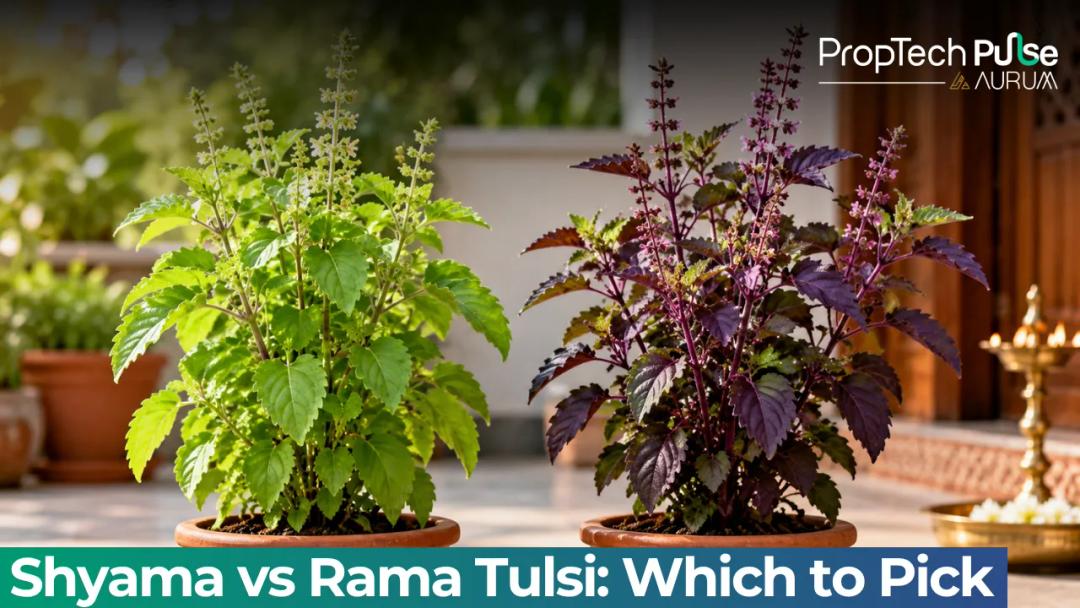
Shyama Tulsi vs Rama Tulsi: Best for Home & Health?
Bright green Rama Tulsi sits on the prayer shelf in almost every Indian house. Reliable. Familiar. Easy to find. But when the winter chill sets in or humidity spikes, that bright green plant simply cannot keep up. Shyama Tulsi—often called Krishna Tulsi carries dark veins and a sharp, peppery scent. Gardeners frequently overlook it, yet its medicinal punch outstrips Rama’s. Both plants serve valid purposes. You just need to match them to how your household actually lives. Getting both right means matching each plant to your actual daily needs instead of buying whatever the local nursery stocks. In this guide What is Shyama Tulsi? Shyama Tulsi vs Rama Tulsi: Key Differences at a Glance Which Tulsi Is Best For Home? Deciding Between Rama And Shyama Tulsi Vastu: Exact Directions, Timings, and Prohibitions Medicinal Benefits: Why Shyama Tulsi Is Essential For Cold & Cough Season Caring for Your Tulsi Plant in an Apartment vs Independent House Final Verdict: The Decision Rule Frequently asked questions What is Shyama Tulsi? Quick answer Shyama Tulsi is a dark-leafed, sharp-aroma variety of holy basil (Ocimum tenuiflorum) prized for its high medicinal potency, particularly against respiratory illnesses and cold weather symptoms. Unlike the common Rama Tulsi used for daily worship, Shyama delivers stronger adaptogenic benefits but requires direct sunlight and consistent moisture to thrive indoors. The family tree for Shyama Tulsi runs through Ocimum tenuiflorum alongside Rama. Where Rama aims for calm, Shyama pushes intensity. Leaves hug the stem tightly. Veins bleed a deep purple-black. Crush one and you get a sharp, peppery hit. Ayurveda classifies this as Rajasic energy. Because of that drive, temples usually reserve formal puja spaces for lighter varieties. Herbalists reach for Shyama first during winter prep. The elevated rosmarinic acid and eugenol levels turn it into a respiratory powerhouse. Check your balcony exposure before potting it though. Partial shade guarantees leaf burn. Consult the Vastu Shastra principles for real estate early. Sun alignment with your plot’s orientation matters before you place the pot. Shyama Tulsi vs Rama Tulsi: Key Differences at a Glance Comparison of Shyama Tulsi and Rama Tulsi across colour, aroma, nature, deity association, and primary use case. Feature Shyama Tulsi Rama Tulsi Leaf Colour Dark green with prominent purple-black veins Bright, uniform green Aroma Profile Sharp, peppery, intense Mild, floral, sweet Nature (Guna) Rajasic (active, warming) Sattvic (calm, cooling) Associated Deity Lord Krishna Lord Vishnu / Satyanarayan Primary Use Case Respiratory medicine, immunity building, winter care Daily prayer, digestion, summer relaxation Tolerance to Partial Shade Poor; requires full sun exposure Moderate; survives in filtered light Which Tulsi Is Best For Home? Deciding Between Rama And Shyama Space permits it, run both plants. They pull different duties. Rama anchors the spiritual side, while Shyama handles the medicine kit. Weather shifts trigger coughs and congestion fast. Crush two fresh leaves with raw honey to clear bronchial passages quickly. Apartment dwellers should pick based on regional weather. Damp northern winters demand Shyama. Hot southern coasts favour Rama. Review the first-time homebuyer guide to see how indoor air quality shapes long-term comfort. Tulsi Vastu: Exact Directions, Timings, and Prohibitions Where Should You Place It? Cardinal directions map directly to elemental forces in Vastu. The Northeast stands for water and purity, locking it in as the ideal spot for sacred foliage. East or North work well as alternatives. South clashes hard with the plant's energy, so skip it entirely. Rooftop placement sounds logical for sunlight, but it backfires. Baking afternoon heat dries the root mat instantly and triggers fungal rot on lower branches. Move pots indoors or onto shaded balconies where morning rays hit for exactly four hours. When to Plant Tulsi? Kartik month drives the strongest planting success, especially Thursday. Skipping strict lunar dates works fine if you catch early spring or late summer moisture. Focus on the monsoon shoulder instead, when soil stays moist without rotting. Water thoroughly once planted, then cut back until the topsoil feels dry to the touch. Plants drown easier than they starve in containers. Taboos to Avoid Prickly companions disrupt energy flow immediately. Keep cactus, aloe, and roses two feet away from the base. The sharp geometry clashes with the plant's smooth growth pattern. Dead foliage clears faster than you think. Leave withered leaves attached beyond three days and airflow stops completely. Snip them off weekly using sterilized shears. Dispose of older plants through river immersion or deep compost burial. Throwing dry stems into municipal bins breaks tradition while bringing unwanted insects inside. Pruning Rule: Never trim Tulsi branches after sunset. Evening cuts seal slowly in high humidity, inviting grey mould that ruins the entire batch within forty-eight hours. Medicinal Benefits: Why Shyama Tulsi Is Essential For Cold & Cough Season Rama Tulsi cools the body. Shyama warms it. This physiological split dictates how you use each during illness. During autumn cold snaps, Shyama acts as a thermogenic agent. Two crushed leaves steeped in black tea pull congestion from the bronchial tubes faster than generic herbal teas. Eugenol acts as a direct expectorant. Phlegm loosens naturally. No syrup haze follows. Platelet counts rise slightly during extended fevers. Recovery speeds up noticeably compared to standard herbal teas. Rama handles digestion and gut flora. Shyama owns the respiratory track. Pair this herb with daily movement to maximize winter oxygen intake. For automation tips, see our guide on smart home devices in India. Automated watering and air monitoring keep the plants alive without extra effort. Caring for Your Tulsi Plant in an Apartment vs Independent House Soil composition decides survival more than sunlight. Use loam mixed with one part sand and dried cow dung or vermicompost. Standard garden soil compacts rapidly in pots, choking the root mat within six weeks. Repot every eighteen months. Watering frequency depends entirely on your floor level. Ground-floor units soak up ambient moisture, requiring watering twice weekly. Third-floor balconies evaporate moisture quickly; daily misting becomes mandatory. If you travel for work, install a simple drip timer. Manual neglect causes ninety percent of indoor plant deaths in high-rise towers. Final Verdict: The Decision Rule Pick Shyama Tulsi if your priority shifts from daily ritual to practical health defense. It handles severe seasonal shifts better and delivers quicker relief during chest infections. Stick with Rama Tulsi if your goal is spiritual continuity, digestive support, and low-maintenance peace. Ideal setups feature both. Place Rama near the puja area for morning devotion. Position Shyama on the sunniest balcony for evening medicinal extraction. Match the plant to your actual routine, not the label at the garden centre. Frequently asked questions What is the difference between Rama Tulsi and Shyama Tulsi? Rama Tulsi features bright green leaves with a sweet, mild aroma, making it gentle enough for daily prayers and digestion. Shyama Tulsi grows dark purple-veined foliage that smells sharply peppery. While Rama provides cooling effects suited for summer and spiritual routines, Shyama carries stronger warming properties designed to combat winter respiratory issues. They serve different biological and spiritual roles inside the home. Which tulsi is best for home Vastu? Vastu Shastra traditionally places holy basil in the Northeast corner, representing purity and water elements. Both varieties thrive there, though Shyama prefers slightly warmer microclimates near the East wall if Northeast lacks direct morning sun. Avoid South-facing placements entirely, as the intense afternoon heat clashes with the plant’s cooling symbolism. Proper positioning ensures steady growth without triggering structural imbalances in the room’s energy flow. Can we keep Shyama Tulsi and Rama Tulsi together? Keeping both varieties side-by-side works perfectly well and actually strengthens the household’s overall air quality. Place the Rama plant closer to the prayer area for ritual focus, while situating Shyama on a brighter balcony for medicinal harvesting. Just ensure neither receives thorny companions like cactus within a three-foot radius, as conflicting plant energies disrupt their respective growth cycles. Separate watering schedules apply based on individual soil needs. How should you dispose of a dead Tulsi plant? Discarding wilted stems in the municipal trash bin violates traditional custom and attracts rodents indoors. Instead, carefully remove the entire root system and immerse it in a flowing river or large bucket of rainwater overnight. Burying the decomposing organic matter beneath a mature tree serves as an acceptable alternative. This respectful removal prevents stagnant energy buildup and protects your remaining plants from fungal contamination. Does Tulsi purify indoor air effectively? Yes, the plant actively absorbs common volatile organic compounds like formaldehyde and benzene from indoor environments. Each leaf functions like a microscopic filter, releasing oxygen at night while pulling particulate matter from stagnant room air. Placing multiple pots around sleeping quarters improves breathing quality significantly during peak heating season. Regular pruning encourages new leaf growth, maintaining maximum absorption capacity throughout the year. Sources Department of Ayush, Ministry of AYUSH, Govt of India: Guidelines on Tulsi cultivation, traditional medicinal applications, and safe preparation of leaf extracts (accessed October 2026). Enjoyed this blog article? Visit PropTech Pulse for more interesting blogs.

PropTech Pulse Editorial
28th October 2026

Uncategorized
NH 117 Highway Guide: Route, Toll & Real Estate Impact
Buying property along a major arterial road in South Kolkata usually means trading direct highway visibility for chronic traffic bottlenecks. Most guides treat the national network here as a single straight line. But infrastructure changes drastically between industrial Howrah and South 24 Parganas port townships. Pending structural upgrades slated for 2026 will shift the commute calculus and baseline risk for owners near NH 117. Investors and homebuyers looking at apartments or plots within a couple of kilometres of the highway need to understand these micro-zones. They must see how specific pockets handle peak-hour loads before locking in capital. In this guide Understanding NH 117 and the route that links Howrah to the bay Breaking down the NH 117 highway across three distinct micro-markets Current toll rates at the Namkhana plaza in 2026 New flyover and ring road upgrades transforming the corridor Real estate verdict on buying property along the highway Frequently asked questions Understanding NH 117 and the route that links Howrah to the bay Quick answer NH 117 in West Bengal spans approximately 137 km, running from Nibra in Howrah to Bakkhali in South 24 Parganas. It functions as a critical connector linking Kolkata’s eastern suburbs, the Joka IT corridor, Diamond Harbour, and finally the coastal belt around Haldia and Bakkhali. The distinction matters because several generic databases confuse the West Bengal highway with a shorter segment in Assam. The actual state-run National Highway 117 starts at the Nibra interchange. It meets NH 6 and follows a path through dense urban pockets before hitting the port city belt. For someone searching NH 117 Kolkata, the reality is that the highway does not sit neatly on the outskirts. The initial segments run directly alongside older neighbourhoods. Residents endure uninterrupted noise and dust pollution from commercial trucking and passenger buses. The trade-off is massive connectivity though. The highway provides a direct lifeline to both Salt Lake City (Bidhannagar) and the central railway terminals at Sealdah and Kolkata. This removes the need to weave through heavily congested core areas near Esplanade. Secondary commuter flows heading toward proposed smart city zones and expanding airport plans keep demand resilient for rental housing. Broad city-wide prices may dip, but NH 117 access keeps listings moving steadily. Breaking down the NH 117 highway across three distinct micro-markets Property valuations along this corridor depend entirely on the specific district. Treating the entire stretch as one uniform market leads to mispricing. A flat bought near the expressway exits behaves completely differently from a plot purchased three kilometres past Diamond Harbour. We divide the route into three distinct micro-markets, each with its own risk-reward ratio. The Kona Expressway belt near Howrah and North Kolkata The very beginning of the highway transitions immediately into the Kona Expressway. This segment suffers from bottleneck formations, particularly at the Santragachi junction where NH 6 merges with the expressway. During evening rush hours, the queue frequently extends back to the SHMS bridge. Living here demands thick double-glazed windows and industrial-grade air filtration systems. These shield occupants from diesel fumes emitted by stationary trucks. Despite the traffic misery, the land commands a steady premium. Heavy industries in Uluberia and Sharada sit directly off this exit. They support a constant flow of blue-collar labour seeking budget accommodations. Builders respond by launching compact studio units and 1BHK layouts that rent out quickly. Young engineers working in the nearby MIDC zones fill these homes fast. South Kolkata and the Joka IT corridor As the NH 117 highway pushes past Behala and heads south towards Joka, the demographic shifts sharply. This belt serves as the de facto outer ring for the massive IT ecosystem centred around Sector V. Young families and tech professionals dominate the buyer base here. Developers push higher ceiling heights and larger carpet areas to match modern expectations. Gated communities along this stretch offer the safest bet for capital preservation. Residents pay a premium for security and amenities that buffer them from the noisy highway border. Financing a purchase here remains straightforward since most nationalized banks offer competitive interest rates. Prospective buyers should always cross-check affordability beforehand by plugging income figures into a home loan emi calculator. They can see how the repayment scales against current prime lending rates. Diamond Harbour road extending to Bakkhali Moving further south past Amtala, the highway enters territory defined by ports, freight corridors, and leisure travel toward Bakkhali beach. Density drops considerably. You will find fewer high-rise societies and more independent bungalows, converted farmhouses, and smaller group housing layouts. The economic engine here revolves around maritime movement. Large containers heading to Haldia Port clog Diamond Harbour Road throughout the day. Unpredictable travel times become the norm. Weekend tourists flooding toward Sagar Kamal resort spill their traffic onto this exact stretch. Daily commuters find the volatility exhausting. Ticket prices are cheaper, allowing you to buy a larger built-up area for the same money. However, investors chasing rapid appreciation often struggle to sell in this zone compared to the central belts. Any development here requires careful verification of titles and approvals. Checking RERA registered projects online remains mandatory to avoid inheriting stalled construction liabilities. Current toll rates at the Namkhana plaza in 2026 Commuters depending on NH 117 for a regular round trip face predictable costs at the toll plaza at Namkhana. Located roughly 114 km from the northern start point, the plaza serves anyone heading deeper into South 24 Parganas. The alternative route toward the Hooghly bridges from the opposite direction also funnels traffic here. Knowing the exact cash outflow helps in negotiating monthly rents. Some landlords factor vehicular convenience directly into their pricing models. Namkhana Toll Plaza Rates for Private Passenger Vehicles Vehicle Category Single Journey (₹) Return Journey (₹) Monthly Pass (₹) Car / Jeeps / Vans 15 20 415 A ₹415 monthly pass looks negligible on paper. Multiply that by a family owning two cars and add public transport fares. This reveals a hidden operating cost that quietly eats into disposable income. People commuting daily between the Diamond Harbour side and Salt Lake should reconsider their location choice. Staying closer to the metro line might save more money than paying daily tolls. Lost productivity stuck in gridlock drains your wallet faster than the highway permits. New flyover and ring road upgrades transforming the corridor The physical layout of the Kona Expressway is undergoing a radical transformation driven by a massive infrastructure contract. The project is currently being executed on the ground. The National Highways Authority of India (NHAI) handed a 7.2-kilometre grade-separation project to Rail Vikas Nigam Limited (RVNL). They targeted the most choking section of the Kona Expressway for immediate relief. Officials assigned a strict deadline for completion by late 2026. When finished, this grade-separated roadway will eliminate traffic signals and intersecting bottlenecks. Thousands of vehicles will no longer halt simultaneously. Traffic will flow continuously above the existing surface roads instead of crawling at walking pace. This upgrade cuts both ways for residents. Short term, the sheer volume of piling machines and temporary lane closures will generate dust. Noise and waterlogging will spike around the work zone. Long term, the reduction in idle time will likely lift the resale value of apartments. Buildings sitting less than a kilometre from the upgraded roadway exits will benefit most. Watch the timeline closely: Infrastructure deadlines often slip. If the 2026 completion date drifts into 2027, the temporary disruption costs will linger much longer than most builders anticipated when launching their brochures. Simultaneously, authorities are pushing forward with plans for a sprawling 200-kilometre ring road. The project falls under South Eastern Regional Transport Office frameworks linked to the SVBTC initiative. The proposed anchor point for this mega-loop sits precisely at the Amtala node on Diamond Harbour Road. If realized, the svbtc ring road acts as a massive pressure valve. Heavy lorries and inter-state buses bound for Purba Bangla will divert onto the loop. They will stop cutting straight through narrow, crowded lanes near Kulpi and Bakkhali. That shift drastically reduces heavy vehicle mixing with private cars in the southernmost townships. Families with young children will find those areas substantially safer to live in. Readers tracking using big data analytics for smart real estate investments know these civil engineering projects matter immensely. Hard infra triggers like these usually precede a 15-20% jump in property valuation. This valuation bump typically hits within a two-year window after the roadway officially opens. Real estate verdict on buying property along the highway If you plan to buy property within 2 to 3 km of this corridor, stop treating the map as a static diagram. The highway is evolving rapidly. Your purchasing decision hinges on which phase of that evolution you want to enter. Prioritize the Joka and Behala stretches if your primary goal is securing rental income from IT professionals. Accept that you are buying into a mature market with higher entry prices. Heavier ambient noise is the unavoidable trade-off. Opt for the Diamond Harbour belt if you require massive square footage on a tighter budget. Plan to hold the asset for ten years while waiting for the svbtc ring road to mature. For projects across West Bengal, verifying compliance remains standard practice. Confirming verified project documentation on RERA portals ensures your capital stays protected. Your safety holds regardless of where the highway takes you. Avoid buying raw agricultural land next to the toll plazas or active construction zones of the new roadway. You will lack the patience to watch it stagnate for four years while heavy machinery operates door-to-door. Before finalizing any deal, calculate the exact annual stamp duty and registration fees applicable in that specific municipality. Rates vary wildly even between neighbouring towns in South 24 Parganas. Using an accurate stamp duty calculator prevents nasty surprises during the final deed registration stage. Frequently asked questions Where does NH 117 actually start and end in West Bengal? The West Bengal segment of National Highway 117 begins at the Nibra interchange in Howrah and meets NH 6. It runs south to conclude at the historic fishing village of Bakkhali in South 24 Parganas. Many generic databases mistakenly point to a shorter highway sharing the same number in Assam. Local buyers must always verify they are looking at the correct West Bengal routing. Is living directly beside NH 117 good for daily residents? Living adjacent to the highway delivers unmatched connectivity to Salt Lake City and Sealdah Station, but it imposes severe environmental costs. Drivers and pedestrians endure constant diesel exhaust, relentless honking from commercial transit, and significant particulate matter exposure year-round. While upper floors mitigate the street-level roar, ground-floor residents often battle dampness and intense heat radiating from the asphalt. Ventilation and soundproofing must be treated as non-negotiable requirements. How much traffic congestion does the Namkhana toll cause? Congestion spikes primarily occur during festive seasons when holidaymakers flood toward Bakkhali beach or Haldia Port, overwhelming the plaza lanes. On regular weekdays, traffic clears reasonably fast once the boom barriers lift. However, if heavy goods vehicles break down in the passing lanes, queues can stretch for nearly half a kilometre. Commuters who traverse the route twice daily find the ₹415 monthly pass far cheaper and faster than paying the ₹20 return fee separately. Does the new elevated highway solve the Santragachi bottleneck? Completely eradicating the choke points by late 2026 is unlikely, but the 7.2-kilometre elevated corridor planned by RVNL will drastically improve average speeds over the worst patches. The roadway removes dozens of signal intersections and merging conflicts at surface level, allowing continuous flow. However, traffic will still pile up at the final merge points near Joka. Progress accelerates, but total freedom from jams in the central corridor remains distant. Which parts of NH 117 offer the best property appreciation potential right now? Investment returns are strongest in the Joka and New Garia belts, driven by aggressive construction of modern apartment towers catering to the booming IT workforce. Land parcels between Altaria and Diamond Harbour represent a slower play relying on the SVBTC ring road relieving freight traffic. Older neighbourhoods near Kulpi tend to stagnate because port logistics and low commercial yield discourage major developers. Sources Public Works Department, West Bengal: Road network overview and national highway maintenance schedules (accessed October 2026) Enjoyed this blog article? Visit PropTech Pulse for more interesting blogs.
PropTech Pulse Editorial
28th October 2026

Uncategorized
UP RERA Guide: Verify Projects, File Complaints & Docs
Buying a flat in Uttar Pradesh without verifying its UP RERA registration is like buying a car without checking the RC book. The Real Estate (Regulation and Development) Act mandates that developers register their projects on the state portal before selling a single unit. The authority exists to protect your money and enforce builder promises on construction timelines. This guide walks you through using the official site. You will learn how to search projects, verify registration certificates, download mandatory legal and technical documents, and file a formal complaint if things go off track. More importantly, it shows you how to keep your payments safe using the mandatory collection account rule. In this guide What is UP RERA and Why Does It Matter? How to Verify UP RERA Registration How to Do an UP RERA Project Search UP RERA Project Documents You Can Download How to File an UP RERA Complaint Safe Payments and the Collection Account Rule UP RERA Helpline and Regional Offices Before You Sign Anything Frequently asked questions What is UP RERA and Why Does It Matter? Quick answer The Uttar Pradesh Real Estate Regulatory Authority enforces the national property act across the state. Developers must register projects larger than 500 square metres or with eight or more units before selling. Registration protects buyers by capping token payments at 10%, ring-fencing construction funds, and mandating public disclosure of timelines and legal documents. The authority operates under the central Real Estate (Regulation and Development) Act of 2016. The law took effect in Uttar Pradesh on 1 May 2016. It requires developers of plots or apartments larger than 500 square metres, or projects with eight or more units, to register before marketing. By rule, a registered promoter cannot accept more than ten percent of the property value as a token payment without signing a formal sale agreement. This isn't just administrative noise. The authority mandates transparent progress updates, open approval processes for layout shifts, and strict escrow holdings. If you want to understand the baseline protections attached to every booking, reading through understanding your basic buyer rights sets the foundation before you log into the portal. How to Verify UP RERA Registration Using the Verification Tool Every legitimate project carries a unique alphanumeric certificate number beginning with "UPERAR". Visit the verification tab on the UP RERA verification page. Enter the code exactly as printed on your brochure or payment receipt. Click View. The authority's database displays the active record immediately. Cross-check the promoter's listed name and PAN against the details in your agreement to catch any mismatch early. Understanding the Registration Status Registration statuses shift throughout a project's lifecycle. "Active" confirms the development complies with all rules and can legally sell units. "Pending" signals an initial review phase or extension processing. Marked as "De-registered," this outcome follows severe non-compliance or abandonment. A drop in status triggers an automatic hold on new sales until the developer files a compliance report. How to Do an UP RERA Project Search Filters and Advanced Search Tips Open the View Projects menu on the official portal. Apply filters for State, District, City, or Development name to narrow results quickly. Developers frequently register under holding company names that hide the actual site location. Searching by district or neighbourhood bypasses these corporate aliases and surfaces the correct block, regardless of how polished the brochure looks. Interpreting Project Details and Progress Project dashboards display a visual timeline tracker. Cross-reference the current percentage against the original completion deadline. Promoters refresh progress photographs every quarter. Cross-check those uploads against satellite imagery for your exact district. Ground stuck at sixty percent completion for eighteen straight months demands answers. For a structured approach to evaluating sites beyond the registration badge, save a standard property due diligence checklist while you browse. UP RERA Project Documents You Can Download Registration forces promoters to upload the technical and legal backbone of their developments. Rather than relying on glossy brochures, download the raw files hosted directly by the authority. List of downloadable project documents available on UP RERA Document Type Why It Matters Land Owner Consent Letter Proves the promoter holds valid power of attorney or ownership rights over the plotted land. Layout Plan & Approved Plans Shows block and tower positioning, open areas, and parking distribution as certified by municipal authorities. Legal Title Deed & Encumbrance Certificate Confirms the land carries no outstanding loans, litigation, or dual claims from previous transactions. Sanctioned Building Plan Details floor heights, built-up areas, and setbacks approved by local urban planning bodies. OC (Occupancy Certificate) Required for final handover, indicating the structure is fit for occupation and utilities are connected. Work Schedule & Timeline Maps out monthly construction milestones tied directly to fund release thresholds. Particulars of Apartments & Parking Locks down carpet areas, dimensions, and parking allocations so sales staff cannot inflate sizes later. Agent Details Lets you verify if the channel partner brokering the deal is officially recognized by the promoter. Progress Photographs Quarterly visual proof submitted to track ground-level reality against claimed percentages. Affidavit Cum Declaration Legally binding statement where the promoter declares adherence to RERA norms, refund policies, and quality standards. Treat these uploads as your primary source of truth. Brochures lie; uploaded government filings face heavy penalties if falsified. How to File an UP RERA Complaint eCourts Module and Enrollment All grievances route through the digital complaint module. Link your Aadhaar card and registered mobile number to the designated eCourts interface first. System verification generates an OTP to secure your identity across the entire hearing process. The portal rejects direct submissions until this step completes. UP RERA Complaint Form M vs Form N The difference between the two main grievance forms confuses many first-time buyers. Selecting the wrong form causes procedural rejection and wastes weeks. Comparison of UP RERA complaint forms for different dispute types Feature Form M (Dispute) Form N (Compensation) Primary Purpose Enforcing contract terms and demanding compliance. Seeking monetary damages for losses incurred. Target Respondent The Promoter or the Authorised Agent. The Adjudicating Officer. Common Triggers Unreasonable possession delays, change in carpet area, lack of essential services. Refusal to refund token amounts, interest defaults, fraudulent marketing practices. Outcome Sought An order directing the promoter to finish work or honour clauses. A financial award covering principal, interest, and costs. Filing Steps and Fees Select your dispute category from the portal dropdown menu. Attach scanned PDFs of payment receipts, the signed agreement, and correspondence proving developer default. Upload attachments in numbered folders. Disorganized files trigger summonses for resubmission. The standard electronic fee sits near ₹5,000. Submit the form and save the tracking ID. Most hearings now run virtually, removing repeated travel to the headquarters. Safe Payments and the Collection Account Rule The most critical safeguard the authority offers is financial ring-fencing. Promoters must deposit seventy percent of all collected money into a specially designated bank account managed by scheduled banks. Sixty-five percent stays locked for land cost, while thirty-five percent releases sequentially for ongoing construction based on milestone certifications. Payment Safety Warning: Never transfer funds to personal accounts, third-party vendors, or non-designated corporate wallets. Legitimate developers route every rupee through the official collection account printed on the dashboard. If a sales executive pressures you to bypass this rule for "discounts," walk away immediately. Verifying the bank account number against the public project summary stops diversion. Regular audits confirm the seven-zero percent rule remains intact throughout the build phase. UP RERA Helpline and Regional Offices If digital queries stall, the regional nodal centres provide direct support. Residents living in the National Capital Region dealing with projects in Gautam Buddha Nagar, Ghaziabad, Bulandshahr, or Faridabad should utilize the western zone helplines. Standard office hours run from 09:30 AM to 06:30 PM, Monday through Saturday. Official UP RERA contact numbers and operational regions Office Location Helpline Numbers Jurisdiction Focus Lucknow (Headquarters) +91 9151602229+91 9151642229 State-wide administration, policy decisions, and escalation appeals. NCR Regional Office (Western UP) +91 9151672229+91 91516822290120-2326111 Ghaziabad, Gautam Buddha Nagar, Saharanpur, Bulandshahr, Meerut. Keep your allotment letters, cheque references, and the certificate number ready before calling to speed up resolution times. Before You Sign Anything Your control strengthens once you stop treating the state authority as a distant bureaucracy and treat its portal as a daily working tool. Check the active listing first. Download the layout plan and measure the block arrangements against your floor requirements. Route every payment directly to the collection account printed on the dashboard. If those steps encounter roadblocks, walk back to the registration list or review the latest stamp duty and registration charges in Uttar Pradesh to verify upfront calculations match state levies. Legitimate developments maintain a clear digital paper trail. Bank on documentation, not verbal promises. Frequently asked questions What is the difference between UP RERA Form M and Form N? Form M handles general disputes with promoters or agents, such as delayed possession or failure to provide promised amenities. Form N is used specifically when claiming monetary compensation directly from the Adjudicating Officer. Think of Form M as a notice for contract breaches, while Form N initiates a direct financial claim. Choose Form M to demand performance of terms; choose Form N if you primarily seek reimbursement for losses suffered. Can I get builder documents from UP RERA website? Yes, the UP RERA website provides detailed access to builder documents. Registered promoters must upload layout plans, legal title deeds, encumbrance certificates, sanctioned building plans, progress photographs, and work schedules directly to the portal. Buyers can click into any registered project dashboard to download these files instantly. Always save a local copy before handing over token amounts, because site availability depends on continuous compliance. How to pay stamp duty through UP RERA? You cannot pay stamp duty through the UP RERA website. The regulatory authority focuses entirely on developer compliance and consumer grievances, not government revenue collection. For Uttar Pradesh, stamp duty and registration charges must be paid through the official state digitization portals or directly at the sub-registrar office. UP RERA merely verifies the legality of the transaction once those taxes are settled. UP RERA helpline number for Delhi NCR? Residents of the National Capital Region dealing with projects in Gautam Buddha Nagar, Ghaziabad, Bulandshahr, or Faridabad should contact the UP RERA Nodal Centre for Western Uttar Pradesh. The NCR regional helpline numbers are +91 9151672229 and +91 9151682229, with a landline at 0120-2326111. Their offices operate during standard weekday business hours from 09:30 AM to 06:30 PM. Keep your allotment letter handy before dialing. How long does UP RERA take to resolve a complaint? Once a complaint is successfully filed and fees are paid, UP RERA aims to issue show-cause notices within 30 days. Promoters generally have 15 days to submit a written reply. While statutory orders ideally carry a six-month turnaround, complex technical disputes involving multiple units or court injunctions can stretch the timeline. Most straightforward delay cases receive orders within three to four months of enrollment. Sources UP RERA Official Portal: Complaint procedures, enforcement guidelines, and operational directives (accessed October 2026) UP RERA Project Listings: Public database structure, project verification workflows, and available documentation modules (accessed October 2026) UP RERA Registration Verification: Validation methodology for certificate codes and promoter status checks (accessed October 2026) UP RERA Detailed Registrations: Structure of registration dashboards, financial mandates, and compliance reporting requirements (accessed October 2026) Enjoyed this blog article? Visit PropTech Pulse for more interesting blogs.
PropTech Pulse Editorial
28th October 2026
Uncategorized
Shyama Tulsi vs Rama Tulsi: Best for Home & Health?
Bright green Rama Tulsi sits on the prayer shelf in almost every Indian house. Reliable. Familiar. Easy to find. But when the winter chill sets in or humidity spikes, that bright green plant simply cannot keep up. Shyama Tulsi—often called Krishna Tulsi carries dark veins and a sharp, peppery scent. Gardeners frequently overlook it, yet its medicinal punch outstrips Rama’s. Both plants serve valid purposes. You just need to match them to how your household actually lives. Getting both right means matching each plant to your actual daily needs instead of buying whatever the local nursery stocks. In this guide What is Shyama Tulsi? Shyama Tulsi vs Rama Tulsi: Key Differences at a Glance Which Tulsi Is Best For Home? Deciding Between Rama And Shyama Tulsi Vastu: Exact Directions, Timings, and Prohibitions Medicinal Benefits: Why Shyama Tulsi Is Essential For Cold & Cough Season Caring for Your Tulsi Plant in an Apartment vs Independent House Final Verdict: The Decision Rule Frequently asked questions What is Shyama Tulsi? Quick answer Shyama Tulsi is a dark-leafed, sharp-aroma variety of holy basil (Ocimum tenuiflorum) prized for its high medicinal potency, particularly against respiratory illnesses and cold weather symptoms. Unlike the common Rama Tulsi used for daily worship, Shyama delivers stronger adaptogenic benefits but requires direct sunlight and consistent moisture to thrive indoors. The family tree for Shyama Tulsi runs through Ocimum tenuiflorum alongside Rama. Where Rama aims for calm, Shyama pushes intensity. Leaves hug the stem tightly. Veins bleed a deep purple-black. Crush one and you get a sharp, peppery hit. Ayurveda classifies this as Rajasic energy. Because of that drive, temples usually reserve formal puja spaces for lighter varieties. Herbalists reach for Shyama first during winter prep. The elevated rosmarinic acid and eugenol levels turn it into a respiratory powerhouse. Check your balcony exposure before potting it though. Partial shade guarantees leaf burn. Consult the Vastu Shastra principles for real estate early. Sun alignment with your plot’s orientation matters before you place the pot. Shyama Tulsi vs Rama Tulsi: Key Differences at a Glance Comparison of Shyama Tulsi and Rama Tulsi across colour, aroma, nature, deity association, and primary use case. Feature Shyama Tulsi Rama Tulsi Leaf Colour Dark green with prominent purple-black veins Bright, uniform green Aroma Profile Sharp, peppery, intense Mild, floral, sweet Nature (Guna) Rajasic (active, warming) Sattvic (calm, cooling) Associated Deity Lord Krishna Lord Vishnu / Satyanarayan Primary Use Case Respiratory medicine, immunity building, winter care Daily prayer, digestion, summer relaxation Tolerance to Partial Shade Poor; requires full sun exposure Moderate; survives in filtered light Which Tulsi Is Best For Home? Deciding Between Rama And Shyama Space permits it, run both plants. They pull different duties. Rama anchors the spiritual side, while Shyama handles the medicine kit. Weather shifts trigger coughs and congestion fast. Crush two fresh leaves with raw honey to clear bronchial passages quickly. Apartment dwellers should pick based on regional weather. Damp northern winters demand Shyama. Hot southern coasts favour Rama. Review the first-time homebuyer guide to see how indoor air quality shapes long-term comfort. Tulsi Vastu: Exact Directions, Timings, and Prohibitions Where Should You Place It? Cardinal directions map directly to elemental forces in Vastu. The Northeast stands for water and purity, locking it in as the ideal spot for sacred foliage. East or North work well as alternatives. South clashes hard with the plant's energy, so skip it entirely. Rooftop placement sounds logical for sunlight, but it backfires. Baking afternoon heat dries the root mat instantly and triggers fungal rot on lower branches. Move pots indoors or onto shaded balconies where morning rays hit for exactly four hours. When to Plant Tulsi? Kartik month drives the strongest planting success, especially Thursday. Skipping strict lunar dates works fine if you catch early spring or late summer moisture. Focus on the monsoon shoulder instead, when soil stays moist without rotting. Water thoroughly once planted, then cut back until the topsoil feels dry to the touch. Plants drown easier than they starve in containers. Taboos to Avoid Prickly companions disrupt energy flow immediately. Keep cactus, aloe, and roses two feet away from the base. The sharp geometry clashes with the plant's smooth growth pattern. Dead foliage clears faster than you think. Leave withered leaves attached beyond three days and airflow stops completely. Snip them off weekly using sterilized shears. Dispose of older plants through river immersion or deep compost burial. Throwing dry stems into municipal bins breaks tradition while bringing unwanted insects inside. Pruning Rule: Never trim Tulsi branches after sunset. Evening cuts seal slowly in high humidity, inviting grey mould that ruins the entire batch within forty-eight hours. Medicinal Benefits: Why Shyama Tulsi Is Essential For Cold & Cough Season Rama Tulsi cools the body. Shyama warms it. This physiological split dictates how you use each during illness. During autumn cold snaps, Shyama acts as a thermogenic agent. Two crushed leaves steeped in black tea pull congestion from the bronchial tubes faster than generic herbal teas. Eugenol acts as a direct expectorant. Phlegm loosens naturally. No syrup haze follows. Platelet counts rise slightly during extended fevers. Recovery speeds up noticeably compared to standard herbal teas. Rama handles digestion and gut flora. Shyama owns the respiratory track. Pair this herb with daily movement to maximize winter oxygen intake. For automation tips, see our guide on smart home devices in India. Automated watering and air monitoring keep the plants alive without extra effort. Caring for Your Tulsi Plant in an Apartment vs Independent House Soil composition decides survival more than sunlight. Use loam mixed with one part sand and dried cow dung or vermicompost. Standard garden soil compacts rapidly in pots, choking the root mat within six weeks. Repot every eighteen months. Watering frequency depends entirely on your floor level. Ground-floor units soak up ambient moisture, requiring watering twice weekly. Third-floor balconies evaporate moisture quickly; daily misting becomes mandatory. If you travel for work, install a simple drip timer. Manual neglect causes ninety percent of indoor plant deaths in high-rise towers. Final Verdict: The Decision Rule Pick Shyama Tulsi if your priority shifts from daily ritual to practical health defense. It handles severe seasonal shifts better and delivers quicker relief during chest infections. Stick with Rama Tulsi if your goal is spiritual continuity, digestive support, and low-maintenance peace. Ideal setups feature both. Place Rama near the puja area for morning devotion. Position Shyama on the sunniest balcony for evening medicinal extraction. Match the plant to your actual routine, not the label at the garden centre. Frequently asked questions What is the difference between Rama Tulsi and Shyama Tulsi? Rama Tulsi features bright green leaves with a sweet, mild aroma, making it gentle enough for daily prayers and digestion. Shyama Tulsi grows dark purple-veined foliage that smells sharply peppery. While Rama provides cooling effects suited for summer and spiritual routines, Shyama carries stronger warming properties designed to combat winter respiratory issues. They serve different biological and spiritual roles inside the home. Which tulsi is best for home Vastu? Vastu Shastra traditionally places holy basil in the Northeast corner, representing purity and water elements. Both varieties thrive there, though Shyama prefers slightly warmer microclimates near the East wall if Northeast lacks direct morning sun. Avoid South-facing placements entirely, as the intense afternoon heat clashes with the plant’s cooling symbolism. Proper positioning ensures steady growth without triggering structural imbalances in the room’s energy flow. Can we keep Shyama Tulsi and Rama Tulsi together? Keeping both varieties side-by-side works perfectly well and actually strengthens the household’s overall air quality. Place the Rama plant closer to the prayer area for ritual focus, while situating Shyama on a brighter balcony for medicinal harvesting. Just ensure neither receives thorny companions like cactus within a three-foot radius, as conflicting plant energies disrupt their respective growth cycles. Separate watering schedules apply based on individual soil needs. How should you dispose of a dead Tulsi plant? Discarding wilted stems in the municipal trash bin violates traditional custom and attracts rodents indoors. Instead, carefully remove the entire root system and immerse it in a flowing river or large bucket of rainwater overnight. Burying the decomposing organic matter beneath a mature tree serves as an acceptable alternative. This respectful removal prevents stagnant energy buildup and protects your remaining plants from fungal contamination. Does Tulsi purify indoor air effectively? Yes, the plant actively absorbs common volatile organic compounds like formaldehyde and benzene from indoor environments. Each leaf functions like a microscopic filter, releasing oxygen at night while pulling particulate matter from stagnant room air. Placing multiple pots around sleeping quarters improves breathing quality significantly during peak heating season. Regular pruning encourages new leaf growth, maintaining maximum absorption capacity throughout the year. Sources Department of Ayush, Ministry of AYUSH, Govt of India: Guidelines on Tulsi cultivation, traditional medicinal applications, and safe preparation of leaf extracts (accessed October 2026). Enjoyed this blog article? Visit PropTech Pulse for more interesting blogs.
PropTech Pulse Editorial
28th October 2026
Uncategorized
NH 117 Highway Guide: Route, Toll & Real Estate Impact
Buying property along a major arterial road in South Kolkata usually means trading direct highway visibility for chronic traffic bottlenecks. Most guides treat the national network here as a single straight line. But infrastructure changes drastically between industrial Howrah and South 24 Parganas port townships. Pending structural upgrades slated for 2026 will shift the commute calculus and baseline risk for owners near NH 117. Investors and homebuyers looking at apartments or plots within a couple of kilometres of the highway need to understand these micro-zones. They must see how specific pockets handle peak-hour loads before locking in capital. In this guide Understanding NH 117 and the route that links Howrah to the bay Breaking down the NH 117 highway across three distinct micro-markets Current toll rates at the Namkhana plaza in 2026 New flyover and ring road upgrades transforming the corridor Real estate verdict on buying property along the highway Frequently asked questions Understanding NH 117 and the route that links Howrah to the bay Quick answer NH 117 in West Bengal spans approximately 137 km, running from Nibra in Howrah to Bakkhali in South 24 Parganas. It functions as a critical connector linking Kolkata’s eastern suburbs, the Joka IT corridor, Diamond Harbour, and finally the coastal belt around Haldia and Bakkhali. The distinction matters because several generic databases confuse the West Bengal highway with a shorter segment in Assam. The actual state-run National Highway 117 starts at the Nibra interchange. It meets NH 6 and follows a path through dense urban pockets before hitting the port city belt. For someone searching NH 117 Kolkata, the reality is that the highway does not sit neatly on the outskirts. The initial segments run directly alongside older neighbourhoods. Residents endure uninterrupted noise and dust pollution from commercial trucking and passenger buses. The trade-off is massive connectivity though. The highway provides a direct lifeline to both Salt Lake City (Bidhannagar) and the central railway terminals at Sealdah and Kolkata. This removes the need to weave through heavily congested core areas near Esplanade. Secondary commuter flows heading toward proposed smart city zones and expanding airport plans keep demand resilient for rental housing. Broad city-wide prices may dip, but NH 117 access keeps listings moving steadily. Breaking down the NH 117 highway across three distinct micro-markets Property valuations along this corridor depend entirely on the specific district. Treating the entire stretch as one uniform market leads to mispricing. A flat bought near the expressway exits behaves completely differently from a plot purchased three kilometres past Diamond Harbour. We divide the route into three distinct micro-markets, each with its own risk-reward ratio. The Kona Expressway belt near Howrah and North Kolkata The very beginning of the highway transitions immediately into the Kona Expressway. This segment suffers from bottleneck formations, particularly at the Santragachi junction where NH 6 merges with the expressway. During evening rush hours, the queue frequently extends back to the SHMS bridge. Living here demands thick double-glazed windows and industrial-grade air filtration systems. These shield occupants from diesel fumes emitted by stationary trucks. Despite the traffic misery, the land commands a steady premium. Heavy industries in Uluberia and Sharada sit directly off this exit. They support a constant flow of blue-collar labour seeking budget accommodations. Builders respond by launching compact studio units and 1BHK layouts that rent out quickly. Young engineers working in the nearby MIDC zones fill these homes fast. South Kolkata and the Joka IT corridor As the NH 117 highway pushes past Behala and heads south towards Joka, the demographic shifts sharply. This belt serves as the de facto outer ring for the massive IT ecosystem centred around Sector V. Young families and tech professionals dominate the buyer base here. Developers push higher ceiling heights and larger carpet areas to match modern expectations. Gated communities along this stretch offer the safest bet for capital preservation. Residents pay a premium for security and amenities that buffer them from the noisy highway border. Financing a purchase here remains straightforward since most nationalized banks offer competitive interest rates. Prospective buyers should always cross-check affordability beforehand by plugging income figures into a home loan emi calculator. They can see how the repayment scales against current prime lending rates. Diamond Harbour road extending to Bakkhali Moving further south past Amtala, the highway enters territory defined by ports, freight corridors, and leisure travel toward Bakkhali beach. Density drops considerably. You will find fewer high-rise societies and more independent bungalows, converted farmhouses, and smaller group housing layouts. The economic engine here revolves around maritime movement. Large containers heading to Haldia Port clog Diamond Harbour Road throughout the day. Unpredictable travel times become the norm. Weekend tourists flooding toward Sagar Kamal resort spill their traffic onto this exact stretch. Daily commuters find the volatility exhausting. Ticket prices are cheaper, allowing you to buy a larger built-up area for the same money. However, investors chasing rapid appreciation often struggle to sell in this zone compared to the central belts. Any development here requires careful verification of titles and approvals. Checking RERA registered projects online remains mandatory to avoid inheriting stalled construction liabilities. Current toll rates at the Namkhana plaza in 2026 Commuters depending on NH 117 for a regular round trip face predictable costs at the toll plaza at Namkhana. Located roughly 114 km from the northern start point, the plaza serves anyone heading deeper into South 24 Parganas. The alternative route toward the Hooghly bridges from the opposite direction also funnels traffic here. Knowing the exact cash outflow helps in negotiating monthly rents. Some landlords factor vehicular convenience directly into their pricing models. Namkhana Toll Plaza Rates for Private Passenger Vehicles Vehicle Category Single Journey (₹) Return Journey (₹) Monthly Pass (₹) Car / Jeeps / Vans 15 20 415 A ₹415 monthly pass looks negligible on paper. Multiply that by a family owning two cars and add public transport fares. This reveals a hidden operating cost that quietly eats into disposable income. People commuting daily between the Diamond Harbour side and Salt Lake should reconsider their location choice. Staying closer to the metro line might save more money than paying daily tolls. Lost productivity stuck in gridlock drains your wallet faster than the highway permits. New flyover and ring road upgrades transforming the corridor The physical layout of the Kona Expressway is undergoing a radical transformation driven by a massive infrastructure contract. The project is currently being executed on the ground. The National Highways Authority of India (NHAI) handed a 7.2-kilometre grade-separation project to Rail Vikas Nigam Limited (RVNL). They targeted the most choking section of the Kona Expressway for immediate relief. Officials assigned a strict deadline for completion by late 2026. When finished, this grade-separated roadway will eliminate traffic signals and intersecting bottlenecks. Thousands of vehicles will no longer halt simultaneously. Traffic will flow continuously above the existing surface roads instead of crawling at walking pace. This upgrade cuts both ways for residents. Short term, the sheer volume of piling machines and temporary lane closures will generate dust. Noise and waterlogging will spike around the work zone. Long term, the reduction in idle time will likely lift the resale value of apartments. Buildings sitting less than a kilometre from the upgraded roadway exits will benefit most. Watch the timeline closely: Infrastructure deadlines often slip. If the 2026 completion date drifts into 2027, the temporary disruption costs will linger much longer than most builders anticipated when launching their brochures. Simultaneously, authorities are pushing forward with plans for a sprawling 200-kilometre ring road. The project falls under South Eastern Regional Transport Office frameworks linked to the SVBTC initiative. The proposed anchor point for this mega-loop sits precisely at the Amtala node on Diamond Harbour Road. If realized, the svbtc ring road acts as a massive pressure valve. Heavy lorries and inter-state buses bound for Purba Bangla will divert onto the loop. They will stop cutting straight through narrow, crowded lanes near Kulpi and Bakkhali. That shift drastically reduces heavy vehicle mixing with private cars in the southernmost townships. Families with young children will find those areas substantially safer to live in. Readers tracking using big data analytics for smart real estate investments know these civil engineering projects matter immensely. Hard infra triggers like these usually precede a 15-20% jump in property valuation. This valuation bump typically hits within a two-year window after the roadway officially opens. Real estate verdict on buying property along the highway If you plan to buy property within 2 to 3 km of this corridor, stop treating the map as a static diagram. The highway is evolving rapidly. Your purchasing decision hinges on which phase of that evolution you want to enter. Prioritize the Joka and Behala stretches if your primary goal is securing rental income from IT professionals. Accept that you are buying into a mature market with higher entry prices. Heavier ambient noise is the unavoidable trade-off. Opt for the Diamond Harbour belt if you require massive square footage on a tighter budget. Plan to hold the asset for ten years while waiting for the svbtc ring road to mature. For projects across West Bengal, verifying compliance remains standard practice. Confirming verified project documentation on RERA portals ensures your capital stays protected. Your safety holds regardless of where the highway takes you. Avoid buying raw agricultural land next to the toll plazas or active construction zones of the new roadway. You will lack the patience to watch it stagnate for four years while heavy machinery operates door-to-door. Before finalizing any deal, calculate the exact annual stamp duty and registration fees applicable in that specific municipality. Rates vary wildly even between neighbouring towns in South 24 Parganas. Using an accurate stamp duty calculator prevents nasty surprises during the final deed registration stage. Frequently asked questions Where does NH 117 actually start and end in West Bengal? The West Bengal segment of National Highway 117 begins at the Nibra interchange in Howrah and meets NH 6. It runs south to conclude at the historic fishing village of Bakkhali in South 24 Parganas. Many generic databases mistakenly point to a shorter highway sharing the same number in Assam. Local buyers must always verify they are looking at the correct West Bengal routing. Is living directly beside NH 117 good for daily residents? Living adjacent to the highway delivers unmatched connectivity to Salt Lake City and Sealdah Station, but it imposes severe environmental costs. Drivers and pedestrians endure constant diesel exhaust, relentless honking from commercial transit, and significant particulate matter exposure year-round. While upper floors mitigate the street-level roar, ground-floor residents often battle dampness and intense heat radiating from the asphalt. Ventilation and soundproofing must be treated as non-negotiable requirements. How much traffic congestion does the Namkhana toll cause? Congestion spikes primarily occur during festive seasons when holidaymakers flood toward Bakkhali beach or Haldia Port, overwhelming the plaza lanes. On regular weekdays, traffic clears reasonably fast once the boom barriers lift. However, if heavy goods vehicles break down in the passing lanes, queues can stretch for nearly half a kilometre. Commuters who traverse the route twice daily find the ₹415 monthly pass far cheaper and faster than paying the ₹20 return fee separately. Does the new elevated highway solve the Santragachi bottleneck? Completely eradicating the choke points by late 2026 is unlikely, but the 7.2-kilometre elevated corridor planned by RVNL will drastically improve average speeds over the worst patches. The roadway removes dozens of signal intersections and merging conflicts at surface level, allowing continuous flow. However, traffic will still pile up at the final merge points near Joka. Progress accelerates, but total freedom from jams in the central corridor remains distant. Which parts of NH 117 offer the best property appreciation potential right now? Investment returns are strongest in the Joka and New Garia belts, driven by aggressive construction of modern apartment towers catering to the booming IT workforce. Land parcels between Altaria and Diamond Harbour represent a slower play relying on the SVBTC ring road relieving freight traffic. Older neighbourhoods near Kulpi tend to stagnate because port logistics and low commercial yield discourage major developers. Sources Public Works Department, West Bengal: Road network overview and national highway maintenance schedules (accessed October 2026) Enjoyed this blog article? Visit PropTech Pulse for more interesting blogs.
PropTech Pulse Editorial
28th October 2026

Ask Pulse Ai anything about real estate

Unlock the Latest in Real Estate
News, Infographics, Blogs & More! Delivered to your inbox.