What is a density bonus in urban planning?
A density bonus in urban planning is a regulatory incentive that allows developers to build more units or more floor area than normally permitted in exchange for providing a public benefit such as affordable housing, public open space, heritage conservation, green building features, or transit-oriented design.
How a Density Bonus Works
- Base zoning allows, say, 100 residential units on a plot
- Developer agrees to include 15 affordable units in the project
- Government grants a density bonus of 20%
- Developer can now build 120 units on the same plot
- The extra 5 market-rate units compensate for the cost of affordable units
Global Examples Influencing Indian Policy
- California Density Bonus Law (USA) : industry benchmark for affordable housing incentives
- Singapore Urban Redevelopment Authority : density bonuses for green and heritage buildings
- UK Section 106 Agreements : planning obligations exchanged for density permissions
Density bonuses are an elegant market-based tool for achieving public policy goals affordable housing, sustainability, heritage preservation without government expenditure. In India's high land-cost cities, well-designed density bonus frameworks can be the difference between affordable housing programmes that remain on paper and those that actually deliver homes.
Similar Blogs

Investment Opportunities
What’s Driving Rental and Coliving Demand in India in 2025?
The size of rental market in India is estimated to be USD 13.9 Bn by 2025. Around 50% of this is attributed to the Gen-Z population, and 30% to the millennial population. Demographic profile of India’s work force, changing behaviour of gen-Z and millennials, rapid urbanisation, digital behaviour and

PropTech Pulse Editorial
7th March 2024
Digital Transformation
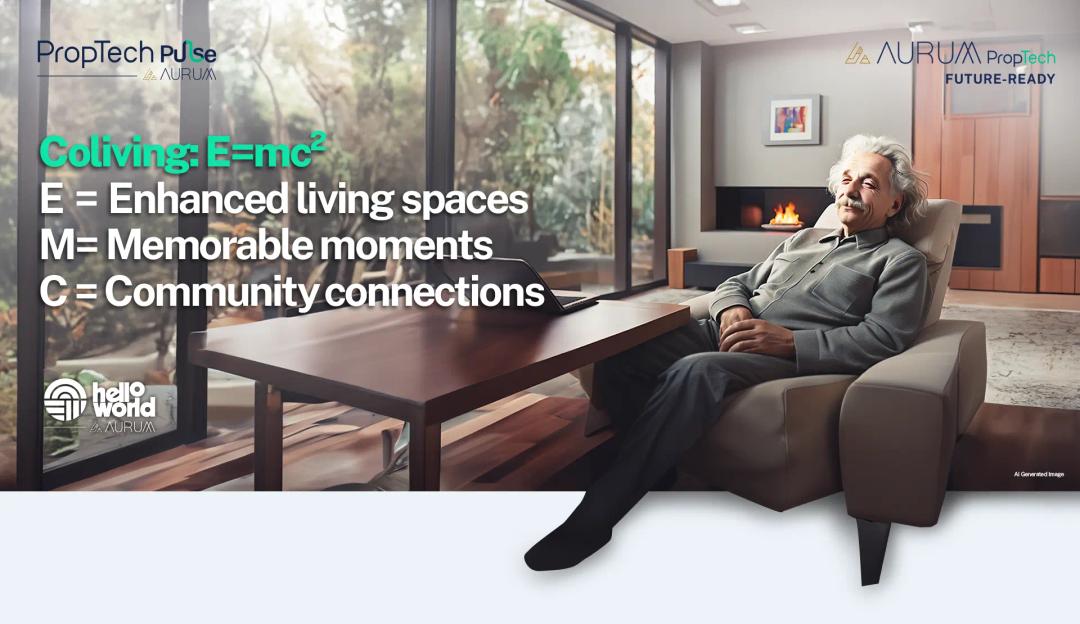
A letter from Albert Einstein in 2024 to young Albert
Dear Young Albert, I hope this letter finds you well, filled with the same curiosity and wonder that has always driven you. As I reflect on the world today, I can't help but think about how much has changed since my time, especially in the realm of communal living which might seem quite intriguing
PropTech Pulse Editorial
15th March 2024

Digital Transformation
Proptech CRM: Transforming Real Estate with Innovative Solutions
PropTech CRM is the game-changer you want. PropTech CRM boosts performance and saves time by streamlining lead management, automating responsibilities, and improving purchaser relationships. Let’s explore how PropTech CRM can revolutionize your operations and consumer interactions. What is Pr
PropTech Pulse Editorial
8th January 2025
Investment Opportunities
What’s Driving Rental and Coliving Demand in India in 2025?
The size of rental market in India is estimated to be USD 13.9 Bn by 2025. Around 50% of this is attributed to the Gen-Z population, and 30% to the millennial population. Demographic profile of India’s work force, changing behaviour of gen-Z and millennials, rapid urbanisation, digital behaviour and
PropTech Pulse Editorial
7th March 2024
Digital Transformation
A letter from Albert Einstein in 2024 to young Albert
Dear Young Albert, I hope this letter finds you well, filled with the same curiosity and wonder that has always driven you. As I reflect on the world today, I can't help but think about how much has changed since my time, especially in the realm of communal living which might seem quite intriguing
PropTech Pulse Editorial
15th March 2024

Ask Pulse Ai anything about real estate

Unlock the Latest in Real Estate
News, Infographics, Blogs & More! Delivered to your inbox.