What is a district cooling system?
A district cooling system (DCS) is a centralised infrastructure that produces chilled water at a central plant and distributes it through insulated underground pipes to multiple buildings across a district, neighbourhood, or urban development.
How District Cooling Works
A central chiller plant cools water (typically to around 6–7°C) and pumps it to subscriber buildings. Each building has a heat exchanger that transfers the coolness to its internal HVAC system. The warmed return water flows back to the plant to be re-chilled in a continuous loop.
Key Benefits of District Cooling
- Energy efficiency: Central large-scale chillers operate more efficiently than many small individual units, saving 20–50% in energy
- Reduced building equipment: No individual chillers, cooling towers, or compressors per building
- Lower maintenance costs per building
- Reduced urban heat island effect (less waste heat released at street level)
- Improved building aesthetics (no rooftop equipment)
District cooling represents a paradigm shift from individual building cooling toward shared, centralised infrastructure much like shared utilities for water and electricity.
Similar Blogs

Investment Opportunities
What’s Driving Rental and Coliving Demand in India in 2025?
The size of rental market in India is estimated to be USD 13.9 Bn by 2025. Around 50% of this is attributed to the Gen-Z population, and 30% to the millennial population. Demographic profile of India’s work force, changing behaviour of gen-Z and millennials, rapid urbanisation, digital behaviour and

PropTech Pulse Editorial
7th March 2024
Digital Transformation
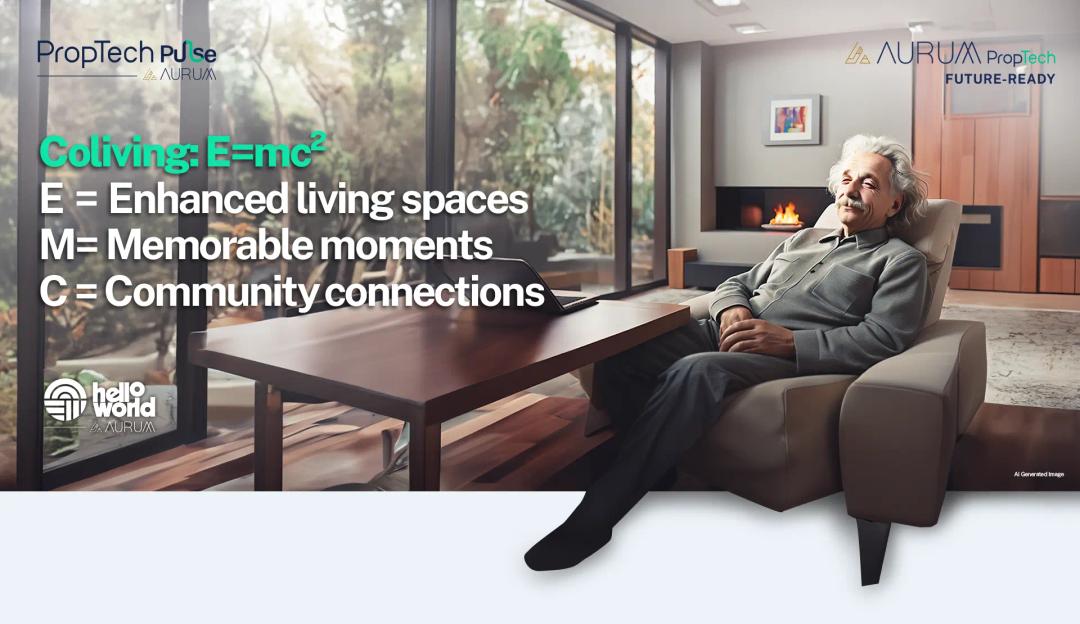
A letter from Albert Einstein in 2024 to young Albert
Dear Young Albert, I hope this letter finds you well, filled with the same curiosity and wonder that has always driven you. As I reflect on the world today, I can't help but think about how much has changed since my time, especially in the realm of communal living which might seem quite intriguing
PropTech Pulse Editorial
15th March 2024

Digital Transformation
Proptech CRM: Transforming Real Estate with Innovative Solutions
PropTech CRM is the game-changer you want. PropTech CRM boosts performance and saves time by streamlining lead management, automating responsibilities, and improving purchaser relationships. Let’s explore how PropTech CRM can revolutionize your operations and consumer interactions. What is Pr
PropTech Pulse Editorial
8th January 2025
Investment Opportunities
What’s Driving Rental and Coliving Demand in India in 2025?
The size of rental market in India is estimated to be USD 13.9 Bn by 2025. Around 50% of this is attributed to the Gen-Z population, and 30% to the millennial population. Demographic profile of India’s work force, changing behaviour of gen-Z and millennials, rapid urbanisation, digital behaviour and
PropTech Pulse Editorial
7th March 2024
Digital Transformation
A letter from Albert Einstein in 2024 to young Albert
Dear Young Albert, I hope this letter finds you well, filled with the same curiosity and wonder that has always driven you. As I reflect on the world today, I can't help but think about how much has changed since my time, especially in the realm of communal living which might seem quite intriguing
PropTech Pulse Editorial
15th March 2024

Ask Pulse Ai anything about real estate

Unlock the Latest in Real Estate
News, Infographics, Blogs & More! Delivered to your inbox.