



An asset class in real estate refers to a category of properties that share similar characteristics, usage, risk profile, and investment behavior. These categories help investors, developers, and financial institutions classify real estate assets for investment analysis, portfolio management, and market evaluation.
Properties used for living purposes.
Properties used for business activities.
Properties designed for production, storage, and logistics.
Properties focused on shopping and consumer services.
Properties used for accommodation and tourism.
Developments combining multiple asset classes.
An asset class in real estate is a way of categorizing properties based on their function, income potential, and market behavior. Residential, commercial, industrial, retail, and hospitality are some of the most common real estate asset classes.

Investment Opportunities
The size of rental market in India is estimated to be USD 13.9 Bn by 2025. Around 50% of this is attributed to the Gen-Z population, and 30% to the millennial population. Demographic profile of India’s work force, changing behaviour of gen-Z and millennials, rapid urbanisation, digital behaviour and capital allocators preference are the five key factors are driving this increased trend in rental real estate. Demographic profile of the work force Around 52% of the Indian population comprises of Gen-Z and Millennials. In 2023, millennials constituted 70% of the Indian work force have emerged as the backbone of many Indian companies. Indian technology sector workforce comprises of 86% to 90% of Gen-Z and Millennial work force. The innate behavioural traits, real estate requirement patterns, lifestyles and purchasing power are often intrinsic to their nature of real estate consumption patterns. Changing behaviour of gen-Z and millennials. Internet penetration has shaped the consumer across industries including real estate. 50% of Gen Zs and millennials say they live paycheck to paycheck with high cost of living is their top societal concern. Big life decisions like buying a house and starting a family are often postponed to later stage. Ability to maintain a positive work/life balance and not live their life on their own terms, and not necessarily to live up to societal expectations. This has shifted the consumption pattern of with increasing demand for rental real estate. The behavioural pattern of consumers of community and experiential living with a value that meets their pocket has given rise to the Co-Living segment. Rapid urbanisation Industrial growth, rise of services sector has shaped rapid urbanisation. In India, contribution component of urban growth is segmented into three categories according to a study by International Institute for Population Sciences. In India, it is estimated that more than 500 million individuals, i.e. approximately 35% of the population stays in urban areas. As the decade progresses, India will witness addition of 100 million urban dwellers, which will further rise to 60% by 2050. (Ref: Macrotrends, Urban Development Ministry, Govt. of India) It is estimated that 28% of the urban households stay in rental housing. This number shall be higher in mega cities. The demand for rental living, is 5.7 million units across top 30 cities (Tier I, II, II) in the country -comprising of working singles living on rent (migrants and domicile) and unmarried student population. This together adds up to 5.7 million across top 30 cities (Tier I, II and III) in the country. Digital behaviour of consumers: There is a remarkable increase in internet penetration, adoption and consumption across enterprises and consumers in India. 700 Mn internet users across the country, 470 Mn social media users and 350 Mn digital payment users. 80% of digital consumers in India prefer searching and discovering new products online before visiting physical stores or seeking offline. 69% of digital consumers prefer digital communications for customer support and interactions. Convenience, value and trust are key drivers across most internet platforms with Capital allocators preference for real estate supply The sector interest has increased after a funding winter for two straight years. Investments in the sector dropped from USD 148 million in 2021 to USD 21.7 million in 2022 and USD 6 million in 2023. With strong fundamental demand backed by urbanisation, consumer behaviour and digitisation, institutional investors and global funds favour co-living and data centres as an alternative asset class. The understanding of private equity funds is also well defined in international markets where co-living is a mature sector. Recently, Singapore’s CapitaLand Investment announced CLARA II: A $600 Million private equity fund for serviced apartments and co-living properties. Brookfield Asset Management, which has a real estate AUM of USD 690 billion globally is also looking to invest more in the coliving, rental housing and serviced apartment asset class.
7th March 2024

Digital Transformation
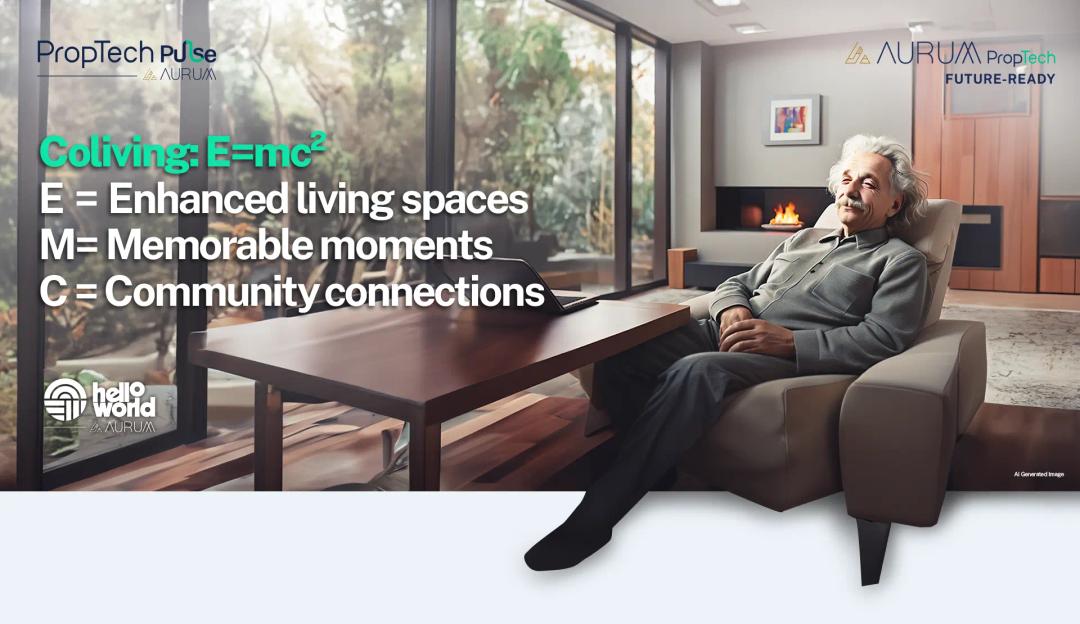
Dear Young Albert, I hope this letter finds you well, filled with the same curiosity and wonder that has always driven you. As I reflect on the world today, I can't help but think about how much has changed since my time, especially in the realm of communal living which might seem quite intriguing to you. You see, much like the principles of relativity that I delved into in my time, co-living operates on the idea of interconnectedness. Just as I discovered that the laws of physics are the same for all observers, regardless of their relative motion, co-living emphasizes the equality and inclusivity of all residents. Regardless of background or circumstance, everyone contributes to and benefits from the community space. These co-living spaces foster a sense of belonging and support that is invaluable, especially in today's fast-paced world. Just as I contemplated the effects of gravity on the motion of celestial bodies, consider the "community gravity" within a co-living space — the connections and relationships that draw residents together, enriching their lives in ways they never thought possible. Moreover, in these co-living spaces, one finds a beautiful confluence of diversity. Each resident brings their own unique perspective, skills, and passions to the table. Just as I theorized that the curvature of spacetime depends on the distribution of mass and energy, the social "space" within a co-living community is shaped by the collective presence of its members. This diversity creates an environment ripe for collaboration, innovation, and personal growth. Young Albert, Technology has altered Co-living manifold enabling students and young professionals discover, access and live in shared spaces at a touch of their fingertips. We individuals, each with their unique stories, come together to create a community unlike any other. It's not just about sharing physical space; it's about sharing ideas, dreams, and aspirations. So, my dear young Albert, as I continue to explore the wonders of the universe co-living has given me an opportunity to connect with likeminded others, to learn from them, and to grow together. Remember that just as the universe is vast and ever-expanding, so too are the opportunities for meaningful connections and shared experiences in the world around you. With warm regards, Your Future Self
15th March 2024

Digital Transformation
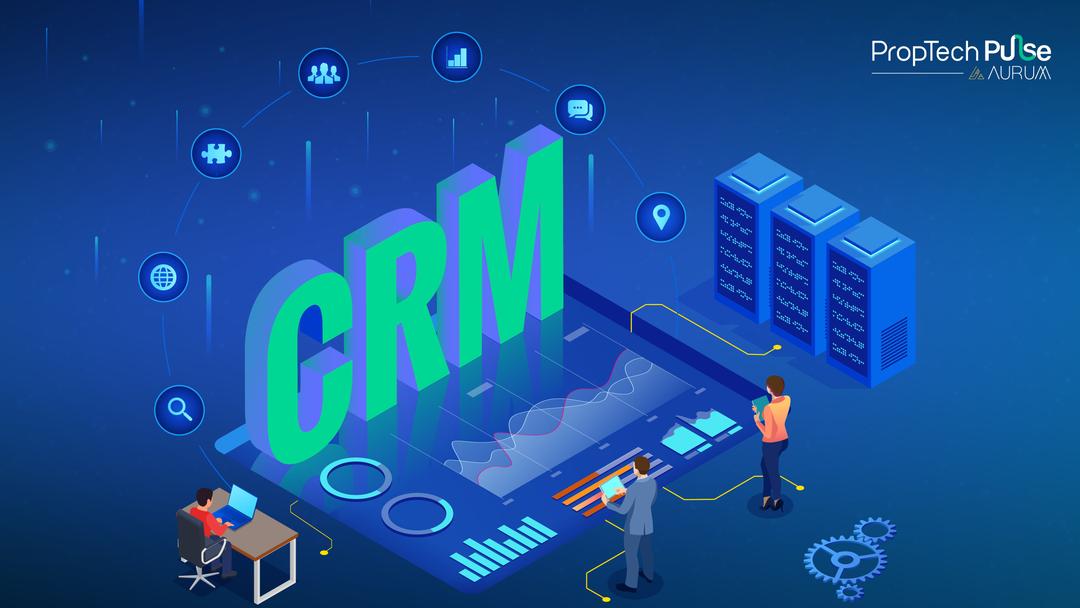
PropTech CRM is the game-changer you want. PropTech CRM boosts performance and saves time by streamlining lead management, automating responsibilities, and improving purchaser relationships. Let’s explore how PropTech CRM can revolutionize your operations and consumer interactions. What is PropTech CRM? PropTech CRM is a smart tool designed specifically for the real estate industry. It helps agents, brokers, and property managers keep track of leads, manage properties, and stay connected with clients all in one place. Think of it as your digital assistant for real estate. It organizes customer information, schedules appointments, and simplifies buying or selling. With PropTech CRM, handling your real estate business becomes easier and more efficient. Why PropTech CRM is Essential for Real Estate Businesses In the fast-paced world of real estate, staying organized and efficient is key. That’s where PropTech CRM steps in as a must-have solution. Here’s why it’s essential: Streamlined Organization: No more hunting for scattered notes or files. PropTech CRM organizes client details, property listings, and schedules in one easy-to-access platform. Time-Saving Automation: Handle your routine tasks with ease through PropTech CRM automation. It lets you focus on closing deals, not managing to-do lists. Stronger Client Relationships: With a clear record of every client interaction, you can offer personalized services that make clients feel valued and understood. Enhanced Efficiency: Whether it’s tracking properties or leads, PropTech CRM simplifies processes, saving time and boosting productivity for you and your team. Data-Driven Insights: Analytics and reports give you a clear picture of your business performance, helping you make informed, strategic decisions. Benefits of Real Estate CRM Real Estate CRM is a real boon for property managers and agents, enabling them to work smoothly. Here are the benefits of PropTech CRM: Hassle-Free Lead Management: CRM helps you manage all your leads by classifying them as current clients, former clients, warm leads, or cold leads. It helps you focus energy on those who matter and tweak the approach accordingly. Efficient Contact Management: All client information is in one place, and all interactions are tracked in the CRM. This allows for staying organized, good detail retention, and excellent personalized services for clients. Easy Email Management: CRM enables the seamless distribution of timely newsletters, keeping your audience informed about newly listed properties, market trends, or general updates. This streamlines email communication, making it more efficient and effective. Automated Selling Process: CRM software automates every sales-related task, ranging from lead nurturing to report generation. This means less manual work for you and more time to focus on closing deals and building relationships. Mobility: Whether you are in the office or showing properties, a mobile-friendly CRM will always keep you connected. You can manage tasks, access client data, and update that data from anywhere. Streamlined Customer Interactions: Real estate CRM centralizes all your client communications, making it easy to stay organized and respond quickly. By storing client details, you can personalize interactions and automate follow-ups, ensuring smooth and professional communication. Key Features of PropTech CRM Systems When it comes to making your real estate business run like a well-oiled machine, PropTech CRM systems have some key features that stand out. Let’s dive into them: Lead Management and Nurturing: PropTech CRMs help you capture and organize leads, categorizing them by interest and engagement level. Automated reminders ensure timely follow-ups, so no lead is forgotten. This feature streamlines the process, making it easier to nurture leads and convert them into clients. Client Communication and Engagement Tools: Retaining client engagement is essential, and CRMs make this very easy. PropTech CRMs keep you in touch with your clients through automated emails, texts, and personalized messaging. You can track every interaction and use the history to make your future communications tailored and build a more profound and meaningful relationship. Property Tracking and Inventory Management: A PropTech CRM makes it easy for you to manage property listings and track inventory. This includes the ability to update property statuses, track inquiries, and generate reports. From monitoring available units to tracking sales performance, everything lives in one place so that you can take a clear picture view of your property portfolio. The Role of PropTech CRM in Improving Operational Efficiency Automating Daily Tasks and Processes: Imagine having a personal assistant who would neither forget nor fail to follow up with you on appointments. This is what a PropTech CRM does. It performs automated tasks such as sending email follow-ups, scheduling follow-ups, and updating client records, leaving you free to attend closing deals and nurturing relationships. Reducing Manual Workload with Integrated CRM Solutions: Manual data entry is a thing of the past. Now PropTech CRM integrates with your existing tools and systems, saving you time and reducing errors. Whether it’s syncing client data or updating property statuses, everything happens automatically, making your workday much smoother. Enhancing Reporting and Analytics: Real-time analytics within a PropTech CRM provide valuable insights into sales performance, lead activity, and trends. These data-driven insights help businesses make informed decisions, allocate resources more effectively, and stay ahead of the competition. How PropTech CRM Supports Customer Relationship Management in Real Estate PropTech CRM is designed to enhance your client relationships by offering tools that streamline communication and personalize every interaction. Building and Maintaining Stronger Client Relationships A PropTech CRM helps you stay connected with clients by tracking all interactions and preferences. This ensures you never miss an opportunity to engage, building trust and loyalty with every conversation. Personalizing Services for Buyers, Sellers, and Renters PropTech CRM allows you to personalize every interaction with detailed client profiles. Whether you're helping a buyer find their dream home, a seller close a deal, or a renter find the perfect space, the CRM ensures tailored communication that meets their unique needs. Market Trends and Growth of PropTech CRM Solutions The growth of PropTech CRM solutions mirrors the rapid evolution of the real estate industry. Growth of the Market: Demand for real estate-tailored CRM platforms is rising, with the Indian PropTech market predicted to rise from USD 918.1 million in 2022 to USD 3,797.6 million by 2030. Adoption Across Types of Property: The residential segment currently assists the CRM growth; however, commercial and industrial segments are the fastest growing ones, creating demand for specialized CRM systems. CAGR of 19.4%: The strong growth rate reflects increasing trust in digital platforms like CRMs to optimize customer relationships and operations. Enhancing Functionality: PropTech CRMs are evolving to include features like automated lead management, property tracking, and data-driven insights, making them indispensable for real estate professionals. Digital Transformation: The market tendency toward end-to-end tech-enabled processes will ensure that a CRM is at the center of all business strategies, easing operations and enabling personalized client experiences. Competitive Landscape: Top PropTech CRM Providers The PropTech CRM market is made from the most cutting-edge platforms aiming to innovate real estate functions. Comparing Features and Functionalities CRM Platform Features Functionality Sell.Do Lead nurturing, AI-driven analytics, sales automation Customization, scalability, and third-party integrations streamline lead management, improve sales processes with real-time data, and automate workflows. Salesforce CRM Customization, scalability, third-party integrations Tailors the platform to specific business needs and integrates with various applications across industries. NoBrokerHood Rental management, community engagement, service request management Manages residential properties, enhances tenant-manager communication, and improves community experience. How to Choose the Right PropTech CRM for Your Business? Choosing the right PropTech CRM can alter the course of your real estate business. Here’s how to decide smartly: Assess Your Needs: Before choosing a CRM, you need to think about what you want it to do, whether it’s lead management, marketing automation, or improving the quality of the sales process. Analyze Your Business: Understand your business size, number of people working with you, and customer volume. Choose a CRM that suits your operations without being too complex or too simple. Look for Features: Try to find specialized features like sales forecasting, email/SMS bulk services, and reporting capabilities to help you with specific requirements. Cost Factor: Analyze the pricing structure, subscription plans, and likely future costs for upgrades, tech support, and customizations. Understand Integrations: Make sure your CRM integrates with your existing systems and is mobile-compatible for versatility. PropTech CRM Market Analysis: Insights from 2024 to 2034 The PropTech CRM market entered a fast-paced growth phase translating to a sustainable trend for the next ten years. Market Growth The real estate industry in India is projected to expand to US$ 5.8 trillion by 2047, increasing its GDP contribution from 7.3% to 15.5%. This growth is expected to drive further demand for PropTech solutions. In FY23, home sales reached a record high of Rs. 3.47 lakh crore (US$42 billion), up 48% from the previous year. This boom in home sales signals a growing need for CRM solutions to streamline real estate processes. The rise in big data analytics is the main reason for companies to grow, making it possible for real estate professionals to make better decisions, provide better customer service, and achieve higher productivity. With firms taking a pinch toward big data solutions, those featuring improved CRM capabilities gain an edge over competitors and allow for improvements to their marketing and sales techniques. Regional Market Insights: PropTech CRM Adoption Around the World The global PropTech CRM market is projected to rise from $866.9 million in 2023 to grow by $955.1 million in 2024 and projects to reach $2,687.7 million by 2034, maintaining a strong CAGR of 10.90% from 2024 to 2034. North America's share is around 40%, making it the largest PropTech CRM market. Europe occupies approximately 30% share of the global market with strong growth across all the major real estate markets. Asia-Pacific rapidly emerged with 20% market share due to economies like China and India. Middle East and Africa have an overall share of about 10%, with adoption slowly but steadily growing. Challenges in PropTech CRM Adoption Here are the few challenges faced by PropTech CRM adoption: High Initial Investment: The cost of implementing CRM solutions can be a barrier for some businesses. Complex Integration: Integrating CRM systems with existing tools and workflows can be challenging. User Resistance: Employees may resist adapting to new technology, affecting CRM adoption. Data Security Concerns: Ensuring the protection of sensitive client data is a top priority. Scalability Issues: Businesses may face difficulties scaling the CRM as they grow. Training and Support: Proper training and ongoing support are necessary to maximize CRM effectiveness. Future of PropTech CRM The future of PropTech CRM is set to revolutionize real estate operations, driven by rapid market growth and cutting-edge technologies. Market Expansion: The Indian real estate market is projected to grow to $1 trillion by 2030, up from $200 billion in 2021. During this period, PropTech has emerged as a key enabler, with Indian PropTech startups attracting over $3.2 billion in funding through 255 deals between 2009 and 2021, highlighting the rapid growth of the sector. Tech-Driven Transformation: AI, big data, and automation will play a pivotal role in shaping CRM functionalities, enhancing decision-making, and customer service. Increased Adoption: Real estate businesses will increasingly adopt CRM solutions to streamline operations, boost efficiency, and stay competitive in a growing market. Conclusion In conclusion, CRM solutions in PropTech are changing the face of the real estate sector by making operations seamless, improving client relationships, and enhancing growth. There are prospects for AI, big data, and automation in the coming decades. As the sector develops, it will become a necessity to adopt these solutions for competition and efficiency in this ever-changing technology-driven industry.
8th January 2025

Investment Opportunities
The size of rental market in India is estimated to be USD 13.9 Bn by 2025. Around 50% of this is attributed to the Gen-Z population, and 30% to the millennial population. Demographic profile of India’s work force, changing behaviour of gen-Z and millennials, rapid urbanisation, digital behaviour and capital allocators preference are the five key factors are driving this increased trend in rental real estate. Demographic profile of the work force Around 52% of the Indian population comprises of Gen-Z and Millennials. In 2023, millennials constituted 70% of the Indian work force have emerged as the backbone of many Indian companies. Indian technology sector workforce comprises of 86% to 90% of Gen-Z and Millennial work force. The innate behavioural traits, real estate requirement patterns, lifestyles and purchasing power are often intrinsic to their nature of real estate consumption patterns. Changing behaviour of gen-Z and millennials. Internet penetration has shaped the consumer across industries including real estate. 50% of Gen Zs and millennials say they live paycheck to paycheck with high cost of living is their top societal concern. Big life decisions like buying a house and starting a family are often postponed to later stage. Ability to maintain a positive work/life balance and not live their life on their own terms, and not necessarily to live up to societal expectations. This has shifted the consumption pattern of with increasing demand for rental real estate. The behavioural pattern of consumers of community and experiential living with a value that meets their pocket has given rise to the Co-Living segment. Rapid urbanisation Industrial growth, rise of services sector has shaped rapid urbanisation. In India, contribution component of urban growth is segmented into three categories according to a study by International Institute for Population Sciences. In India, it is estimated that more than 500 million individuals, i.e. approximately 35% of the population stays in urban areas. As the decade progresses, India will witness addition of 100 million urban dwellers, which will further rise to 60% by 2050. (Ref: Macrotrends, Urban Development Ministry, Govt. of India) It is estimated that 28% of the urban households stay in rental housing. This number shall be higher in mega cities. The demand for rental living, is 5.7 million units across top 30 cities (Tier I, II, II) in the country -comprising of working singles living on rent (migrants and domicile) and unmarried student population. This together adds up to 5.7 million across top 30 cities (Tier I, II and III) in the country. Digital behaviour of consumers: There is a remarkable increase in internet penetration, adoption and consumption across enterprises and consumers in India. 700 Mn internet users across the country, 470 Mn social media users and 350 Mn digital payment users. 80% of digital consumers in India prefer searching and discovering new products online before visiting physical stores or seeking offline. 69% of digital consumers prefer digital communications for customer support and interactions. Convenience, value and trust are key drivers across most internet platforms with Capital allocators preference for real estate supply The sector interest has increased after a funding winter for two straight years. Investments in the sector dropped from USD 148 million in 2021 to USD 21.7 million in 2022 and USD 6 million in 2023. With strong fundamental demand backed by urbanisation, consumer behaviour and digitisation, institutional investors and global funds favour co-living and data centres as an alternative asset class. The understanding of private equity funds is also well defined in international markets where co-living is a mature sector. Recently, Singapore’s CapitaLand Investment announced CLARA II: A $600 Million private equity fund for serviced apartments and co-living properties. Brookfield Asset Management, which has a real estate AUM of USD 690 billion globally is also looking to invest more in the coliving, rental housing and serviced apartment asset class.
7th March 2024

Digital Transformation
Dear Young Albert, I hope this letter finds you well, filled with the same curiosity and wonder that has always driven you. As I reflect on the world today, I can't help but think about how much has changed since my time, especially in the realm of communal living which might seem quite intriguing to you. You see, much like the principles of relativity that I delved into in my time, co-living operates on the idea of interconnectedness. Just as I discovered that the laws of physics are the same for all observers, regardless of their relative motion, co-living emphasizes the equality and inclusivity of all residents. Regardless of background or circumstance, everyone contributes to and benefits from the community space. These co-living spaces foster a sense of belonging and support that is invaluable, especially in today's fast-paced world. Just as I contemplated the effects of gravity on the motion of celestial bodies, consider the "community gravity" within a co-living space — the connections and relationships that draw residents together, enriching their lives in ways they never thought possible. Moreover, in these co-living spaces, one finds a beautiful confluence of diversity. Each resident brings their own unique perspective, skills, and passions to the table. Just as I theorized that the curvature of spacetime depends on the distribution of mass and energy, the social "space" within a co-living community is shaped by the collective presence of its members. This diversity creates an environment ripe for collaboration, innovation, and personal growth. Young Albert, Technology has altered Co-living manifold enabling students and young professionals discover, access and live in shared spaces at a touch of their fingertips. We individuals, each with their unique stories, come together to create a community unlike any other. It's not just about sharing physical space; it's about sharing ideas, dreams, and aspirations. So, my dear young Albert, as I continue to explore the wonders of the universe co-living has given me an opportunity to connect with likeminded others, to learn from them, and to grow together. Remember that just as the universe is vast and ever-expanding, so too are the opportunities for meaningful connections and shared experiences in the world around you. With warm regards, Your Future Self
15th March 2024


News, Infographics, Blogs & More! Delivered to your inbox.