









What is Carpet Area?
Carpet Area in real estate refers to the actual usable floor area within a property where a carpet can be laid. It includes the space inside the internal walls of the apartment or unit but excludes areas like balconies, walls, terraces, and common spaces.
What Carpet Area Includes
- Bedrooms
- Living room
- Kitchen
- Bathrooms
- Internal passages within the unit
- Store rooms (if inside the unit)
What Carpet Area Excludes
- External and internal wall thickness
- Balcony and terrace areas
- Staircases (in some cases)
- Common areas like lift lobby, corridors, and amenities
Carpet area is the most important metric for understanding how much usable space a property actually offers. It helps buyers make informed decisions and avoid confusion caused by inflated area measurements.


Recent Glossary
What is Digital Land Registry?
what is a duplex apartment
What is Escrow in Real Estate?
What is an Encumbrance Certificate (EC)?
What is a Credit Line?
View More...
Recent FAQs
What is the process for applying for a trade license to run a real estate agency?
How do I compare a property aggregator's listing fees with a classifieds portal?
What is the role of a valuation surveyor in insurance claims for property damage?
How does a build-operate-transfer model apply to large township infrastructure?
What is the process for forming a joint venture between two co-developers?
View More...
Insight Pulse
Uncategorized
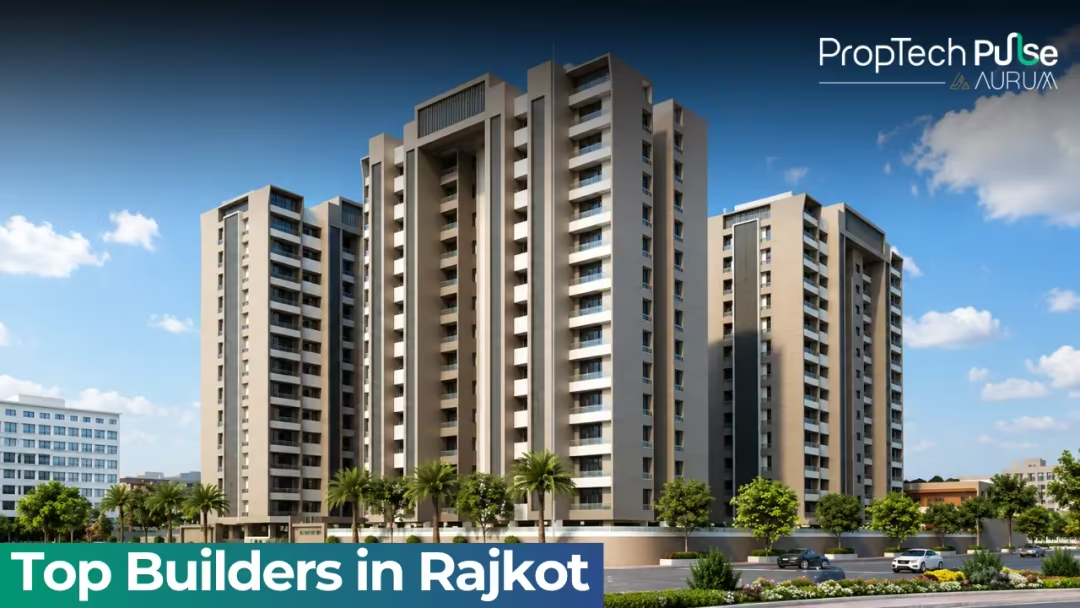
10 Trusted Builders in Rajkot to Consider in 2026
Rajkot is an important city in Gujarat. It has a mix of homes, offices, and factories. Choosing the right builder matters a lot when buying a home. A good builder should have a clear project history, proper approvals, and honest paperwork. Buyers here can find apartments, villas, land plots, and independent homes. In this guide, we will look at the top builders in Rajkot. How We Picked These Companies There is no official government list for this. So we used a simple method. We looked at: How many projects the company has listed How active it is across Rajkot What kinds of projects it builds Its presence in trusted property listings Public facts, where available This list is a guide, not an investment tip. The Top 10 Builders in Rajkot 1. Ladani Group Works in: Mota Mava, Hari Nagar Builds: Homes Ladani Group has one of the largest project counts in Rajkot, with around 18 listed projects. These include both finished and under-construction homes. Always check the exact project's construction status and approvals before deciding. 2. Shilpan Builders Works in: Mota Mava, Mavdi Builds: Homes and offices Shilpan Group's construction roots go back to 1994, though the company was formally founded in 2004. The company says it has delivered more than 3,000 homes and offices since then. Since these are figures the company shares itself, always double-check the details for the specific project you're interested in. 3. Vraj Infrastructure Works in: Rajkot Builds: Homes, offices, plots, and villas Vraj Infrastructure has one of the longest histories on this list, dating back to 1985. The company works across homes, offices, plots, and villas, giving it a wide range of options for buyers. Its long presence in the market makes it a name worth researching. 4. Om Developers Works in: Upleta, Raiya Builds: Homes Om Developers has around eight listed projects, spanning both finished and under-construction homes. Always look at the specific project rather than judging by the company name alone. For any under-construction home, check the expected finish date and approvals carefully. 5. Amrutdhara Buildcon Works in: Railnagar Builds: Homes Amrutdhara Buildcon has a solid presence across major property listing sites, with around six to nine projects shown depending on the platform. This makes it worth researching for buyers looking at homes in Rajkot. Always verify the latest status directly through official project records before booking. 6. Shreenath Developers Works in: Mavdi, 150 Feet Ring Road Builds: Homes Shreenath Developers has around six listed projects, including both new launches and under-construction homes. Mavdi and the 150 Feet Ring Road are both important residential areas in Rajkot. Compare location, carpet area, amenities, and total cost before choosing any project. 7. Madhav Developers Works in: Madhapar Builds: Homes Madhav Developers has several listed projects across different stages, from new launches to fully completed homes. This mix can be useful if you want to compare both new and finished properties. One of its projects is located in Madhapar, another key area in Rajkot. 8. Shreeji Developers Works in: Rajkot Builds: Homes Shreeji Developers has around five listed residential projects, including Shreeji Vardhman Villa and Shreeji Shivalay Sanidhya. There is also a separately listed company called Shreeji Associates Rajkot, so always double-check the exact legal name of the developer before comparing projects. 9. Radhe Developers Works in: Mavdi, Raiya Builds: Homes Radhe Developers has around five listed projects, mixing both under-construction and ready-to-move homes. Mavdi and Raiya are both established parts of the city with good access to daily needs. Always check the legal documents, construction quality, and delivery record before choosing a project. 10. Sankalp Developers Works in: Rajkot Builds: Homes Sankalp Developers has around four listed projects and maintains its own company website describing its residential work. For any Sankalp project, check the registration, approvals, and construction progress before deciding. How We Ranked These Companies We did not use brand fame alone to rank these builders. Listing activity mattered a lot. We looked at how many projects each builder had listed across trusted property platforms. Project stage was checked too. This includes new launches, under-construction, and ready-to-move homes. Local presence was another factor. We wanted builders genuinely active across different parts of Rajkot. Public information helped confirm what facts we could verify. Because of this method, our list may differ from other lists online. That is normal, since different methods lead to different results. Where to Buy: Key Areas in Rajkot Mavdi is one of the busiest areas in current listings, popular for apartments and newer projects. Mota Mava is another important area, home to several Shilpan Group projects. Raiya has a good number of residential projects too, including work from Radhe Developers. Madhapar has grown steadily, with projects from builders like Madhav Developers. The 150 Feet Ring Road is a major corridor, home to multiple builders and new launches. Other areas worth checking include Kalawad Road, Kothariya, Railnagar, Nana Mava, and Gondal Road. Types of Homes Available in Rajkot 2 BHK flats suit small families, couples, and buyers looking for a smaller, more manageable home. 3 BHK flats work well for bigger families or buyers who want an extra room for guests or work. Luxury homes are also available from some developers, depending on your budget and needs. Plots and villas are another option for buyers who want more space or plan to build their own home. Always check the land's legal status and title carefully first. What to Check Before Choosing a Builder Being on this list does not mean every project is perfect. Always check the details yourself. Here is a simple checklist: RERA registration. Check the official state RERA system for the registration number, promoter details, and project status. Past projects. Visit completed projects if you can. Check construction quality and talk to residents if possible. Full cost. Ask for a written cost sheet covering base price, parking, maintenance, stamp duty, and other charges. Carpet area. Compare the actual carpet area, not just the total built-up or saleable area. Location. Check road access, schools, hospitals, and public transport nearby. Read the agreement. Don't sign anything until you fully understand possession dates, cancellation terms, and payment schedules. Construction progress. For under-construction homes, visit the site and compare progress with the builder's own schedule. Doing this small bit of homework can save you a lot of trouble later. What Buyers Should Know About Rajkot's Market Rajkot has a wide mix of local builders, with hundreds of listings across the city. Not every listed builder has the same level of experience or financial strength, so don't assume otherwise. A March 2026 report also pointed to pressure in Rajkot's real estate sector. The number of projects registered with the state's RERA fell from 101 in 2022-23 to 68 in the most recent year, amid reports of a cash flow crunch in the local market. This makes it even more important to check the financial and construction status of the specific project you're considering, not just the builder's general reputation. Final Thoughts Rajkot has a mix of established local builders and smaller developers. Ladani Group, Shilpan Builders, and Vraj Infrastructure bring long histories and wide project ranges to the table. Om Developers, Amrutdhara Buildcon, and Shreenath Developers add more choices across different parts of the city. Madhav Developers, Shreeji Developers, Radhe Developers, and Sankalp Developers round out the list with more local options to explore. This list is a good place to start if you are exploring real estate in Rajkot. But no list can pick the perfect home for you. Always check the RERA status, legal papers, location, and price. Visit the site. Ask questions. A little research today can help you make a smart choice tomorrow. Disclaimer: This ranking is for general information only. It is based on publicly available facts. Rankings may change based on new data and methods. Please do your own research before making any real estate or investment decision. Enjoyed this blog article? Visit PropTech Pulse for more interesting blogs.

PropTech Pulse Editorial
29th August 2026

Uncategorized
Top Builders in Amritsar 2026: Top Real Estate Companies to Know
Amritsar is one of Punjab's most important cities. It is home to the Golden Temple and known for tourism, trade, schools, and hospitals. Buyers here can find apartments, independent homes, villas, land plots, and offices. Growth is spread along major roads like GT Road, Majitha Road, Ajnala Road, and Airport Road. In this guide, we will look at the top builders in Amritsar. How We Picked These Companies There is no official government list for this. So we used a simple method. We looked at: How active the company is across Amritsar What kinds of projects it builds Its presence in trusted property listings and government records Public facts, including RERA and development authority records This list is a guide, not an investment tip. The Top 10 Builders in Amritsar 1. AIPL Works in: Delhi-Amritsar Highway Builds: Villas, homes, and land plots AIPL (Advance India Projects Limited) is a prominent name in Amritsar's property market. Its township, AIPL DreamCity, covers about 135 acres and offers villas, independent floors, and plots. A newer project, AIPL DreamCity NXT, shows the company is still growing in the city. 2. Experion Developers Works in: GT Road corridor Builds: Homes Experion Developers is a national real estate company with a project in Amritsar called Experion Virsa. This large development is officially registered in two phases with Punjab RERA. Its size and location on GT Road make it a good pick for buyers wanting a bigger project. 3. Ansal Housing Works in: Verka-Batala Bypass Builds: Land plots Ansal Housing has worked across Indian real estate for many years, including smaller cities. Its project, Ansal Town Amritsar, covers nearly 52 acres and offers residential plots along with planned parks and shared spaces. This suits buyers who prefer plots in a township over apartments. 4. Omaxe Works in: Amritsar city and surrounding areas Builds: Homes, shops, and malls Omaxe is a major North Indian developer working across both homes and commercial spaces. Its Amritsar portfolio includes Omaxe Novelty Mall and Omaxe Value Mall. The company is also planning a large residential township of about 127 acres in the city. 5. Blue City Township & Colonizers Works in: Ajnala Road area Builds: Villas Blue City Township & Colonizers started in 2006. It received approval to develop about 27 acres for residential use. Its projects include Blue Valley, Aqua Villa, and Azure Villa. Its steady local work makes it worth checking for buyers who want villa-style homes. 6. Sharma and Ganghar Builders & Colonisers Works in: Vallah Builds: Homes Sharma and Ganghar Builders & Colonisers has a project called Global City in Vallah. Vallah is an area worth watching, as it sits outside the older, busier city core. The company shows up across major property sites, which points to an active local presence. 7. Veer Colonisers & Builders Works in: Majitha Road, Ajnala Road Builds: Homes and land plots Veer Colonisers & Builders has two officially registered projects: Veer Gardens Extension on Majitha Road and Veer Walk, a commercial plotted project on Ajnala Road. The city's development authority also lists the company in its approved layout records. This makes it a good name to check for buyers wanting plots or land. 8. Tiwari Gangahar Infrastructure Works in: Vallah, near NH-1 Builds: Homes Tiwari Gangahar Infrastructure is listed by the Amritsar Development Authority among its larger housing projects. Its project, Tewari Global City, is located in Vallah. Vallah sits near major roads, making it worth exploring for buyers looking at the city's outer edges. 9. Simmro Infrastructure & Developers Works in: Sultanwind and Daburji, near NH-1 Builds: Homes Simmro Infrastructure & Developers built Maple Leaf Towers, a residential project near NH-1. The project sits inside a bigger township called Shubham Enclave. It is officially registered with Punjab RERA. This makes Simmro a useful name to check for buyers interested in apartment living. 10. Worship Builders and Developers Works in: GT Bypass Road Builds: Homes and offices Worship Builders and Developers is a local company working across both homes and commercial construction. Public details on smaller local builders can be limited. So take extra care before booking. Always check the project's title, approvals, construction status, and RERA registration directly. How We Ranked These Companies We did not use brand fame alone to rank these builders. Local presence mattered a lot. We wanted companies genuinely active in Amritsar. Official records were checked too. This includes Punjab RERA listings and Amritsar Development Authority records. Project variety was another factor, including homes, villas, plots, and commercial spaces. Public information helped confirm the facts we could verify. Because of this, our list may differ from others online. A company on this list may still have projects that aren't right for you. Always check the actual project, not just the company name. Where to Buy: Key Areas in Amritsar Ranjit Avenue is one of the city's established areas, with strong access to shops, schools, and offices. GT Road is a major growth corridor, home to large projects like Experion Virsa and AIPL DreamCity. Vallah has become an important spot for bigger residential developments, popular with builders like Tiwari Gangahar Infrastructure. Majitha Road is another key residential corridor, home to projects like Veer Gardens. Ajnala Road connects the city to the airport side, home to Blue City's developments. Sultanwind and Daburji have also seen planned growth, including Maple Leaf Towers near NH-1. Types of Homes Available in Amritsar 2 BHK flats suit small and medium families, common across both established and developing parts of the city. 3 BHK flats offer more space for bigger families, available in similar areas. Villas give buyers more privacy, offered by builders like AIPL and Blue City Township & Colonizers. Residential plots are also popular here, especially through companies like Ansal Housing and Veer Colonisers & Builders. Commercial property is another strong segment, led by developers like Omaxe with its shopping malls. What to Check Before Choosing a Builder Being on this list does not mean every project is perfect. Always check the details yourself. Here is a simple checklist: Punjab RERA registration. Search the official database by project name, promoter, or registration number. Land title. Ask for ownership documents. For big purchases, have a lawyer review them. Approvals. Check building plans and layout permissions, especially for plots and large townships. Construction quality. Visit the site yourself. Photos and brochures don't always show the full picture. Carpet area. Compare the actual carpet area, not just the total advertised size. Talk to residents. If the project is finished, ask current residents about their experience. Full cost. Ask for a complete cost sheet covering registration, stamp duty, maintenance, and other fees. Travel time. Check peak-hour travel times, not just map distances, especially for outer areas. Doing this small bit of homework can save you a lot of trouble later. Why Amritsar Matters for Property Buyers Amritsar mixes established city neighborhoods with fast-growing development corridors. Large projects along GT Road and Vallah show how the city is spreading beyond its traditional center. The Golden Temple also brings strong tourism activity, supporting demand for hotels, shops, and other commercial property in the right locations. Still, growth doesn't guarantee rising prices. Always study real demand, connectivity, and legal status before investing. Final Thoughts Amritsar has a wide property market with local builders, national developers, and big township companies. AIPL, Experion Developers, Ansal Housing, and Omaxe bring larger-scale projects and more established names to the city. Blue City Township & Colonizers, Sharma and Ganghar Builders & Colonisers, Veer Colonisers & Builders, Tiwari Gangahar Infrastructure, and Simmro Infrastructure & Developers add more local choices to compare. This list is a good place to start if you are exploring real estate in Amritsar. But no list can pick the perfect home for you. Always check the RERA status, legal papers, location, and price. Visit the site. Ask questions. A little research today can help you make a smart choice tomorrow. Disclaimer: This ranking is for general information only. It is based on publicly available facts. Rankings may change based on new data and methods. Please do your own research before making any real estate or investment decision. Enjoyed this blog article? Visit PropTech Pulse for more interesting blogs.
PropTech Pulse Editorial
29th August 2026
Uncategorized
How PropTech Improves the Property Buying Experience
Buying a property is a big decision. It involves more than finding a home at the right price. Buyers also need to check the location, compare properties, understand market prices, arrange a home loan, review documents, and plan their budget. In the past, most of this work was done offline. Buyers depended on property agents, newspaper advertisements, brochures, phone calls, and physical visits. Today, PropTech is making property buying faster, simpler and more convenient. Digital platforms, artificial intelligence, data analytics, virtual tours, and online tools are changing how people search for and buy property. But how exactly does PropTech improve the experience for buyers? What Is PropTech in Real Estate? PropTech means using technology to improve the way real estate is bought, sold, managed, and used. It covers a wide range of technologies. These include artificial intelligence, data analytics, virtual reality, cloud platforms, automation, mobile applications, digital payments, and online property platforms. For buyers, the main benefit is simple. PropTech can reduce the time and effort needed to research and evaluate a property. 1. Property Search Becomes Faster Finding the right property can take a lot of time. A buyer may have a specific budget, preferred location, property type and size in mind. Checking every available property manually is not practical. PropTech platforms make this process easier through digital property searches and filters. Buyers can narrow their search using factors such as: Location Budget Property type Size Configuration Price range Amenities This helps buyers focus on properties that match their needs. It also reduces the time spent looking at unsuitable properties. 2. Buyers Can Research Properties From Anywhere Property research no longer has to start with a physical visit. Buyers can first explore property information online. They can check project details, photographs, floor plans, location information and other available data. This is especially useful for people buying property from another city or country. For example, a buyer living in Dubai and looking for a home in Mumbai can begin the research process online. They can create a shortlist before travelling for property visits. This makes the early stage of property buying more convenient. 3. Virtual Tours Reduce Unnecessary Site Visits Site visits are important, but visiting every property can take time. Virtual tours and 3D technology give buyers another way to explore properties before visiting them. With a virtual tour, buyers can get a better idea of: Room layouts Property design Interior spaces Building amenities Overall appearance A buyer can first explore several properties online. They can then visit only the properties that interest them most. This does not replace physical inspection. It simply makes the shortlisting process easier. 4. AI Makes Property Search More Personal Artificial intelligence is changing the way people search for information. In real estate, AI can help platforms understand user preferences and provide more relevant information. For example, a buyer may be looking for a two-bedroom apartment near a workplace. They may also have a fixed budget and specific lifestyle preferences. An AI-powered platform can use these requirements to make the search more relevant. AI can also help answer common questions about properties, home loans, locations, and real estate terms. This creates a more personalised experience than a basic property search. 5. Data Helps Buyers Compare Properties Choosing between two properties is not always easy. One property may have a lower price. Another may have a better location. A third may offer stronger rental potential. PropTech can help buyers look at different data points together. For example, buyers can compare: Property prices Area and configuration Local market trends Rental demand Location Infrastructure Property features This helps buyers look beyond the headline price. The goal is to understand which property offers better value for their needs. 6. Market Information Becomes Easier to Access Property prices change over time. The price of a home can also vary between different neighbourhoods in the same city. This makes market information important for buyers. Digital real estate platforms can bring market data into an easier format. Buyers can research price movements and understand how a particular location is performing. This can help them ask better questions before buying. For example: Is the asking price close to the market rate? Is demand growing in this area? What factors could affect future property prices? These questions can lead to better property research. 7. Financial Planning Becomes Simpler Affordability is one of the most important parts of property buying. A buyer needs to know how much they can comfortably spend. They also need to consider the down payment, loan amount, interest, and monthly EMI. PropTech makes these calculations easier through digital financial tools. Online calculators can help buyers estimate: Home loan EMI Loan eligibility Down payment Interest costs Stamp duty Other purchase expenses This helps buyers understand the financial impact before making a commitment. It can also prevent buyers from focusing on properties that are outside their practical budget. 8. Home Loan Processes Are Becoming More Digital Getting a home loan can involve many steps. Buyers may need to compare loan options, check eligibility, submit documents, and communicate with lenders. Digital platforms can simplify parts of this process. Buyers can access loan information online and use financial tools before approaching a lender. Some digital systems can also support online applications and document submission. This can reduce paperwork and save time. However, buyers should always check loan terms carefully and take professional financial advice when required. 9. Digital Tools Can Improve Transparency Trust is important when buying property. Buyers want to know whether the information provided about a project is accurate. Technology can make relevant information easier to access. For example, digital platforms can provide project information, regulatory details, property records, and other useful data. RERA-related information is another important area for property research in India. Easy access to such information can help buyers conduct better preliminary checks. However, buyers should verify important information through official sources before making a final decision. 10. Location Research Is Becoming Smarter A good property is not only about the building. The surrounding location also matters. Buyers may want to know about: Public transport Schools Hospitals Shopping areas Offices Roads Future infrastructure Rental demand Technology can combine location data and market information to give buyers a broader view of an area. This can help buyers understand whether a location suits their current lifestyle and future plans. 11. Communication Becomes Faster Property buying often involves many conversations. Buyers may need information from developers, brokers, lenders, property managers, and service providers. PropTech can reduce communication delays through digital tools. Examples include: Chatbots AI assistants Online enquiries Automated messages Appointment systems Customer relationship platforms These tools can provide quick answers to simple questions. They can also reduce the need for repeated phone calls. For complex matters, human support is still important. 12. Digital Documentation Reduces Paperwork Property transactions involve many documents. Managing these documents manually can be difficult. PropTech can support digital document management through online storage, electronic forms, verification systems, and digital signatures. This can make documents easier to organise and track. Digital documentation can also reduce the risk of losing physical paperwork. However, buyers should read every document carefully before signing. 13. PropTech Helps Buyers After the Purchase The property journey does not end when the sale is completed. A new homeowner may still need services such as interior design, moving support, maintenance, and financing assistance. Real estate technology platforms are increasingly connecting these services. This creates a more complete customer journey. Instead of focusing only on the property transaction, PropTech can support buyers before, during, and after the purchase. 14. PropTech Makes Real Estate More Convenient The biggest change brought by PropTech is convenience. A buyer can now complete many early research tasks from a smartphone or computer. They can: Search → Compare → Research → Calculate → Shortlist → Visit → Decide This does not mean every part of buying a property should happen online. A physical inspection, document verification, legal review, and professional advice remain important. Technology simply makes the process more organised. PropTech Pulse and the Changing Buyer Experience Platforms such as PropTech Pulse show how different parts of real estate technology can work together. PropTech Pulse provides access to real estate information, market insights, property resources, financial tools, AI-powered assistance, guides, reports, and property-related services. For buyers, this type of ecosystem can reduce the need to search across many unrelated sources. The value comes from bringing useful information and tools closer to the buyer during the research process. What Should Buyers Keep in Mind? PropTech can make property buying easier, but technology does not remove the need for due diligence. Buyers should still: Verify property information Check official records Inspect the property Review agreements Understand all costs Compare loan terms Check developer details Seek legal advice when necessary Online information should support the decision, not replace careful verification. The Future of Property Buying The future of real estate will likely combine digital technology with human expertise. AI will make searches more personalised. Data will help buyers understand markets. Virtual tours will improve remote property exploration. Digital tools will simplify financial planning and documentation. At the same time, buyers will continue to need property visits, legal guidance, financial advice, and direct communication. The result will be a hybrid property buying experience. Technology will handle more of the research and routine work, while people will remain important for complex decisions and transactions. Conclusion PropTech is improving the property buying experience by making real estate search, research, comparison, financial planning and communication easier. Buyers can discover properties faster, explore them remotely, compare different options, understand market conditions, calculate costs, and access information from digital platforms. The biggest advantage is better access to information. Instead of depending on one source, buyers can use technology to research different aspects of a property before making a decision. As PropTech continues to develop, the property buying journey will become more connected, personalised, and data-driven. For buyers, the goal is not to replace human judgment with technology. It is to use technology to make better-informed property decisions with less time, less confusion, and greater confidence. Enjoyed this blog article? Visit PropTech Pulse for more interesting blogs.
PropTech Pulse Editorial
27th August 2026
Uncategorized
10 Trusted Builders in Rajkot to Consider in 2026
Rajkot is an important city in Gujarat. It has a mix of homes, offices, and factories. Choosing the right builder matters a lot when buying a home. A good builder should have a clear project history, proper approvals, and honest paperwork. Buyers here can find apartments, villas, land plots, and independent homes. In this guide, we will look at the top builders in Rajkot. How We Picked These Companies There is no official government list for this. So we used a simple method. We looked at: How many projects the company has listed How active it is across Rajkot What kinds of projects it builds Its presence in trusted property listings Public facts, where available This list is a guide, not an investment tip. The Top 10 Builders in Rajkot 1. Ladani Group Works in: Mota Mava, Hari Nagar Builds: Homes Ladani Group has one of the largest project counts in Rajkot, with around 18 listed projects. These include both finished and under-construction homes. Always check the exact project's construction status and approvals before deciding. 2. Shilpan Builders Works in: Mota Mava, Mavdi Builds: Homes and offices Shilpan Group's construction roots go back to 1994, though the company was formally founded in 2004. The company says it has delivered more than 3,000 homes and offices since then. Since these are figures the company shares itself, always double-check the details for the specific project you're interested in. 3. Vraj Infrastructure Works in: Rajkot Builds: Homes, offices, plots, and villas Vraj Infrastructure has one of the longest histories on this list, dating back to 1985. The company works across homes, offices, plots, and villas, giving it a wide range of options for buyers. Its long presence in the market makes it a name worth researching. 4. Om Developers Works in: Upleta, Raiya Builds: Homes Om Developers has around eight listed projects, spanning both finished and under-construction homes. Always look at the specific project rather than judging by the company name alone. For any under-construction home, check the expected finish date and approvals carefully. 5. Amrutdhara Buildcon Works in: Railnagar Builds: Homes Amrutdhara Buildcon has a solid presence across major property listing sites, with around six to nine projects shown depending on the platform. This makes it worth researching for buyers looking at homes in Rajkot. Always verify the latest status directly through official project records before booking. 6. Shreenath Developers Works in: Mavdi, 150 Feet Ring Road Builds: Homes Shreenath Developers has around six listed projects, including both new launches and under-construction homes. Mavdi and the 150 Feet Ring Road are both important residential areas in Rajkot. Compare location, carpet area, amenities, and total cost before choosing any project. 7. Madhav Developers Works in: Madhapar Builds: Homes Madhav Developers has several listed projects across different stages, from new launches to fully completed homes. This mix can be useful if you want to compare both new and finished properties. One of its projects is located in Madhapar, another key area in Rajkot. 8. Shreeji Developers Works in: Rajkot Builds: Homes Shreeji Developers has around five listed residential projects, including Shreeji Vardhman Villa and Shreeji Shivalay Sanidhya. There is also a separately listed company called Shreeji Associates Rajkot, so always double-check the exact legal name of the developer before comparing projects. 9. Radhe Developers Works in: Mavdi, Raiya Builds: Homes Radhe Developers has around five listed projects, mixing both under-construction and ready-to-move homes. Mavdi and Raiya are both established parts of the city with good access to daily needs. Always check the legal documents, construction quality, and delivery record before choosing a project. 10. Sankalp Developers Works in: Rajkot Builds: Homes Sankalp Developers has around four listed projects and maintains its own company website describing its residential work. For any Sankalp project, check the registration, approvals, and construction progress before deciding. How We Ranked These Companies We did not use brand fame alone to rank these builders. Listing activity mattered a lot. We looked at how many projects each builder had listed across trusted property platforms. Project stage was checked too. This includes new launches, under-construction, and ready-to-move homes. Local presence was another factor. We wanted builders genuinely active across different parts of Rajkot. Public information helped confirm what facts we could verify. Because of this method, our list may differ from other lists online. That is normal, since different methods lead to different results. Where to Buy: Key Areas in Rajkot Mavdi is one of the busiest areas in current listings, popular for apartments and newer projects. Mota Mava is another important area, home to several Shilpan Group projects. Raiya has a good number of residential projects too, including work from Radhe Developers. Madhapar has grown steadily, with projects from builders like Madhav Developers. The 150 Feet Ring Road is a major corridor, home to multiple builders and new launches. Other areas worth checking include Kalawad Road, Kothariya, Railnagar, Nana Mava, and Gondal Road. Types of Homes Available in Rajkot 2 BHK flats suit small families, couples, and buyers looking for a smaller, more manageable home. 3 BHK flats work well for bigger families or buyers who want an extra room for guests or work. Luxury homes are also available from some developers, depending on your budget and needs. Plots and villas are another option for buyers who want more space or plan to build their own home. Always check the land's legal status and title carefully first. What to Check Before Choosing a Builder Being on this list does not mean every project is perfect. Always check the details yourself. Here is a simple checklist: RERA registration. Check the official state RERA system for the registration number, promoter details, and project status. Past projects. Visit completed projects if you can. Check construction quality and talk to residents if possible. Full cost. Ask for a written cost sheet covering base price, parking, maintenance, stamp duty, and other charges. Carpet area. Compare the actual carpet area, not just the total built-up or saleable area. Location. Check road access, schools, hospitals, and public transport nearby. Read the agreement. Don't sign anything until you fully understand possession dates, cancellation terms, and payment schedules. Construction progress. For under-construction homes, visit the site and compare progress with the builder's own schedule. Doing this small bit of homework can save you a lot of trouble later. What Buyers Should Know About Rajkot's Market Rajkot has a wide mix of local builders, with hundreds of listings across the city. Not every listed builder has the same level of experience or financial strength, so don't assume otherwise. A March 2026 report also pointed to pressure in Rajkot's real estate sector. The number of projects registered with the state's RERA fell from 101 in 2022-23 to 68 in the most recent year, amid reports of a cash flow crunch in the local market. This makes it even more important to check the financial and construction status of the specific project you're considering, not just the builder's general reputation. Final Thoughts Rajkot has a mix of established local builders and smaller developers. Ladani Group, Shilpan Builders, and Vraj Infrastructure bring long histories and wide project ranges to the table. Om Developers, Amrutdhara Buildcon, and Shreenath Developers add more choices across different parts of the city. Madhav Developers, Shreeji Developers, Radhe Developers, and Sankalp Developers round out the list with more local options to explore. This list is a good place to start if you are exploring real estate in Rajkot. But no list can pick the perfect home for you. Always check the RERA status, legal papers, location, and price. Visit the site. Ask questions. A little research today can help you make a smart choice tomorrow. Disclaimer: This ranking is for general information only. It is based on publicly available facts. Rankings may change based on new data and methods. Please do your own research before making any real estate or investment decision. Enjoyed this blog article? Visit PropTech Pulse for more interesting blogs.
PropTech Pulse Editorial
29th August 2026
Uncategorized
Top Builders in Amritsar 2026: Top Real Estate Companies to Know
Amritsar is one of Punjab's most important cities. It is home to the Golden Temple and known for tourism, trade, schools, and hospitals. Buyers here can find apartments, independent homes, villas, land plots, and offices. Growth is spread along major roads like GT Road, Majitha Road, Ajnala Road, and Airport Road. In this guide, we will look at the top builders in Amritsar. How We Picked These Companies There is no official government list for this. So we used a simple method. We looked at: How active the company is across Amritsar What kinds of projects it builds Its presence in trusted property listings and government records Public facts, including RERA and development authority records This list is a guide, not an investment tip. The Top 10 Builders in Amritsar 1. AIPL Works in: Delhi-Amritsar Highway Builds: Villas, homes, and land plots AIPL (Advance India Projects Limited) is a prominent name in Amritsar's property market. Its township, AIPL DreamCity, covers about 135 acres and offers villas, independent floors, and plots. A newer project, AIPL DreamCity NXT, shows the company is still growing in the city. 2. Experion Developers Works in: GT Road corridor Builds: Homes Experion Developers is a national real estate company with a project in Amritsar called Experion Virsa. This large development is officially registered in two phases with Punjab RERA. Its size and location on GT Road make it a good pick for buyers wanting a bigger project. 3. Ansal Housing Works in: Verka-Batala Bypass Builds: Land plots Ansal Housing has worked across Indian real estate for many years, including smaller cities. Its project, Ansal Town Amritsar, covers nearly 52 acres and offers residential plots along with planned parks and shared spaces. This suits buyers who prefer plots in a township over apartments. 4. Omaxe Works in: Amritsar city and surrounding areas Builds: Homes, shops, and malls Omaxe is a major North Indian developer working across both homes and commercial spaces. Its Amritsar portfolio includes Omaxe Novelty Mall and Omaxe Value Mall. The company is also planning a large residential township of about 127 acres in the city. 5. Blue City Township & Colonizers Works in: Ajnala Road area Builds: Villas Blue City Township & Colonizers started in 2006. It received approval to develop about 27 acres for residential use. Its projects include Blue Valley, Aqua Villa, and Azure Villa. Its steady local work makes it worth checking for buyers who want villa-style homes. 6. Sharma and Ganghar Builders & Colonisers Works in: Vallah Builds: Homes Sharma and Ganghar Builders & Colonisers has a project called Global City in Vallah. Vallah is an area worth watching, as it sits outside the older, busier city core. The company shows up across major property sites, which points to an active local presence. 7. Veer Colonisers & Builders Works in: Majitha Road, Ajnala Road Builds: Homes and land plots Veer Colonisers & Builders has two officially registered projects: Veer Gardens Extension on Majitha Road and Veer Walk, a commercial plotted project on Ajnala Road. The city's development authority also lists the company in its approved layout records. This makes it a good name to check for buyers wanting plots or land. 8. Tiwari Gangahar Infrastructure Works in: Vallah, near NH-1 Builds: Homes Tiwari Gangahar Infrastructure is listed by the Amritsar Development Authority among its larger housing projects. Its project, Tewari Global City, is located in Vallah. Vallah sits near major roads, making it worth exploring for buyers looking at the city's outer edges. 9. Simmro Infrastructure & Developers Works in: Sultanwind and Daburji, near NH-1 Builds: Homes Simmro Infrastructure & Developers built Maple Leaf Towers, a residential project near NH-1. The project sits inside a bigger township called Shubham Enclave. It is officially registered with Punjab RERA. This makes Simmro a useful name to check for buyers interested in apartment living. 10. Worship Builders and Developers Works in: GT Bypass Road Builds: Homes and offices Worship Builders and Developers is a local company working across both homes and commercial construction. Public details on smaller local builders can be limited. So take extra care before booking. Always check the project's title, approvals, construction status, and RERA registration directly. How We Ranked These Companies We did not use brand fame alone to rank these builders. Local presence mattered a lot. We wanted companies genuinely active in Amritsar. Official records were checked too. This includes Punjab RERA listings and Amritsar Development Authority records. Project variety was another factor, including homes, villas, plots, and commercial spaces. Public information helped confirm the facts we could verify. Because of this, our list may differ from others online. A company on this list may still have projects that aren't right for you. Always check the actual project, not just the company name. Where to Buy: Key Areas in Amritsar Ranjit Avenue is one of the city's established areas, with strong access to shops, schools, and offices. GT Road is a major growth corridor, home to large projects like Experion Virsa and AIPL DreamCity. Vallah has become an important spot for bigger residential developments, popular with builders like Tiwari Gangahar Infrastructure. Majitha Road is another key residential corridor, home to projects like Veer Gardens. Ajnala Road connects the city to the airport side, home to Blue City's developments. Sultanwind and Daburji have also seen planned growth, including Maple Leaf Towers near NH-1. Types of Homes Available in Amritsar 2 BHK flats suit small and medium families, common across both established and developing parts of the city. 3 BHK flats offer more space for bigger families, available in similar areas. Villas give buyers more privacy, offered by builders like AIPL and Blue City Township & Colonizers. Residential plots are also popular here, especially through companies like Ansal Housing and Veer Colonisers & Builders. Commercial property is another strong segment, led by developers like Omaxe with its shopping malls. What to Check Before Choosing a Builder Being on this list does not mean every project is perfect. Always check the details yourself. Here is a simple checklist: Punjab RERA registration. Search the official database by project name, promoter, or registration number. Land title. Ask for ownership documents. For big purchases, have a lawyer review them. Approvals. Check building plans and layout permissions, especially for plots and large townships. Construction quality. Visit the site yourself. Photos and brochures don't always show the full picture. Carpet area. Compare the actual carpet area, not just the total advertised size. Talk to residents. If the project is finished, ask current residents about their experience. Full cost. Ask for a complete cost sheet covering registration, stamp duty, maintenance, and other fees. Travel time. Check peak-hour travel times, not just map distances, especially for outer areas. Doing this small bit of homework can save you a lot of trouble later. Why Amritsar Matters for Property Buyers Amritsar mixes established city neighborhoods with fast-growing development corridors. Large projects along GT Road and Vallah show how the city is spreading beyond its traditional center. The Golden Temple also brings strong tourism activity, supporting demand for hotels, shops, and other commercial property in the right locations. Still, growth doesn't guarantee rising prices. Always study real demand, connectivity, and legal status before investing. Final Thoughts Amritsar has a wide property market with local builders, national developers, and big township companies. AIPL, Experion Developers, Ansal Housing, and Omaxe bring larger-scale projects and more established names to the city. Blue City Township & Colonizers, Sharma and Ganghar Builders & Colonisers, Veer Colonisers & Builders, Tiwari Gangahar Infrastructure, and Simmro Infrastructure & Developers add more local choices to compare. This list is a good place to start if you are exploring real estate in Amritsar. But no list can pick the perfect home for you. Always check the RERA status, legal papers, location, and price. Visit the site. Ask questions. A little research today can help you make a smart choice tomorrow. Disclaimer: This ranking is for general information only. It is based on publicly available facts. Rankings may change based on new data and methods. Please do your own research before making any real estate or investment decision. Enjoyed this blog article? Visit PropTech Pulse for more interesting blogs.
PropTech Pulse Editorial
29th August 2026

Ask Pulse Ai anything about real estate

Unlock the Latest in Real Estate
News, Infographics, Blogs & More! Delivered to your inbox.